Trump Vows Retaliation After Iran Kills 3 U.S. Troops
President Trump declared Iran "will pay" after three U.S. service members died in an attack, vowing retribution for each American killed.
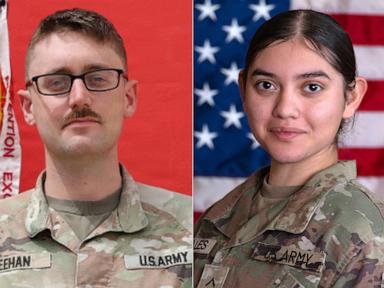
President Donald Trump issued a stern warning to Iran on Monday, stating the nation "will pay" for the recent deaths of three American service members. The president's declaration came after an attack over the weekend that resulted in the fatalities, bringing the total number of U.S. service members killed since the conflict began to seventeen.
This escalation in rhetoric follows months of major combat operations initiated by the U.S. against Iran on February 28th. These operations involved significant joint U.S.-Israeli strikes targeting military, government, and infrastructure sites within Iran. Despite the initiation of negotiations in June aimed at a war-ending deal, based on a memorandum of understanding signed by both countries, the exchange of strikes has continued.
President Trump explicitly stated in a social media post that "Every time Iran kills an American Soldier they will pay for that killing many times over!" He indicated that this directive has been communicated to Secretary of War Pete Hegseth, Chairman of the Joint Chiefs of Staff Daniel Caine, and other military leaders. However, the specific nature of the planned retaliation or any consequences beyond the ongoing military strikes remains unclear.
The U.S. and Iran have maintained a pattern of retaliatory strikes, with the strategic Strait of Hormuz serving as a primary flashpoint for ongoing tensions. This latest exchange underscores the volatile nature of the conflict, even as diplomatic efforts have been underway.
This weekend's attack also saw the interception of three missiles launched from Iran by Jordanian forces, according to Jordan's state TV. This incident highlights the regional implications of the conflict and the involvement of neighboring countries.
In related news, Lebanese President Joseph Aoun is scheduled to visit the White House on Tuesday for his first meeting with President Trump. While the U.S. has sought to treat the conflict with Lebanon separately from the war with Iran, Iran has indicated that Lebanon is a crucial element in any negotiation. A recent memorandum of understanding had promised an end to military operations, including in Lebanon, though this agreement appears to be faltering.
Despite the challenges, U.S.-brokered Lebanon-Israel talks were described as "productive and positive" last week in Rome. Following a meeting between President Aoun and Secretary of State Marco Rubio, the State Department announced progress in implementing a framework agreement, with pilot zone operations commencing in three Lebanese villages. President Aoun's office stated his visit aims to consolidate the ceasefire and restore security and stability in Lebanon.
The U.S. military has been engaged in extensive operations, with Sunday night marking the ninth consecutive night of strikes against Iran. President Trump's administration has emphasized a strong response to any attacks on American personnel, though the precise methods and scale of future actions remain undisclosed.
This article was written by AI based on publicly available news reporting. Original reporting by the linked source.