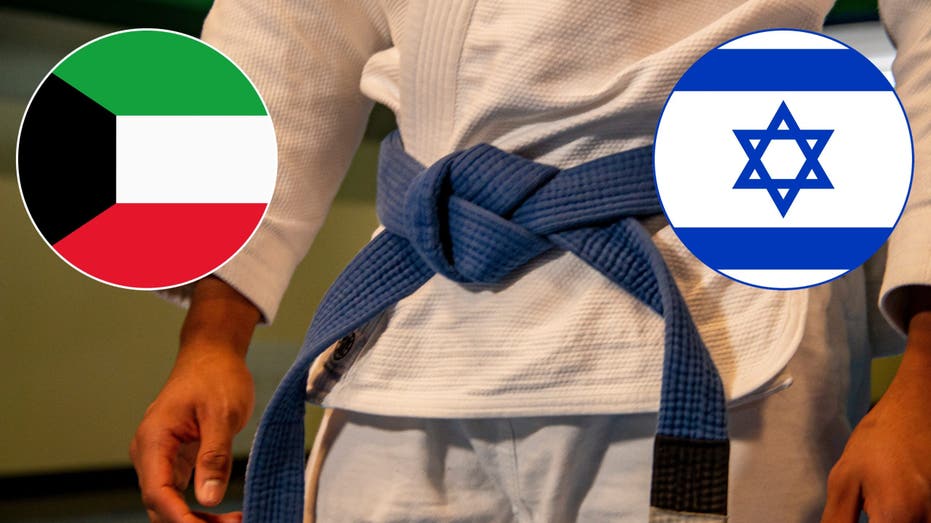
Kuwaiti Jiu-Jitsu Champion Refuses Handshake With Israeli Athlete
Kuwaiti jiu-jitsu athlete Jassim Alhatem refused to shake hands with Israeli competitor Yoav Manor after a match, citing a lack of respect.
Kuwaiti jiu-jitsu athlete Jassim Alhatem notably refused to shake hands with his Israeli opponent, Yoav Manor, following their match in the under-77kg division. Manor secured the bronze medal in the competition, while Alhatem did not place.
The incident occurred after the match concluded, with Alhatem explicitly stating his reasons for the refusal. According to reports, Alhatem conveyed that he and his fellow Kuwaitis "do not respect them at all," indicating a profound political or social stance behind his actions.
Further compounding the visible display of dissent, Alhatem also declined to participate in the traditional winners' photograph alongside Manor. This dual refusal underscored the athlete's commitment to his expressed position, drawing attention to the broader geopolitical tensions that can manifest even in the realm of international sports.
The refusal to engage in customary post-match sportsmanship, such as a handshake, highlights the significant impact of political sentiment on athletic events. Such actions can spark debate about the intersection of sports and politics, and the platforms that international competitions provide for expressing national or ideological viewpoints.
While the source material does not provide further details on the specific context of the match or the broader tournament, Alhatem's actions serve as a stark reminder that sporting arenas can become stages for political statements. The under-77kg division saw Manor achieve a bronze medal, a result that was overshadowed by the post-match interaction.
This event is not the first instance where athletes have allowed political stances to influence their behavior during international competitions. Similar incidents have occurred across various sports, prompting discussions about the rules and expectations governing athlete conduct and the potential for sports to be influenced by external conflicts.
Manor's achievement of a bronze medal represents a personal success in the competition, yet the narrative surrounding his participation was significantly altered by Alhatem's refusal to acknowledge him through conventional sporting gestures. The implications of such refusals extend beyond the immediate event, potentially influencing future interactions and perceptions within the sport.
It remains unclear whether any official sanctions or statements were issued by the competition organizers regarding Alhatem's conduct. The incident, however, has brought attention to the personal and political dimensions that can accompany athletic endeavors on a global scale.
This article was written by AI based on publicly available news reporting. Original reporting by the linked source.