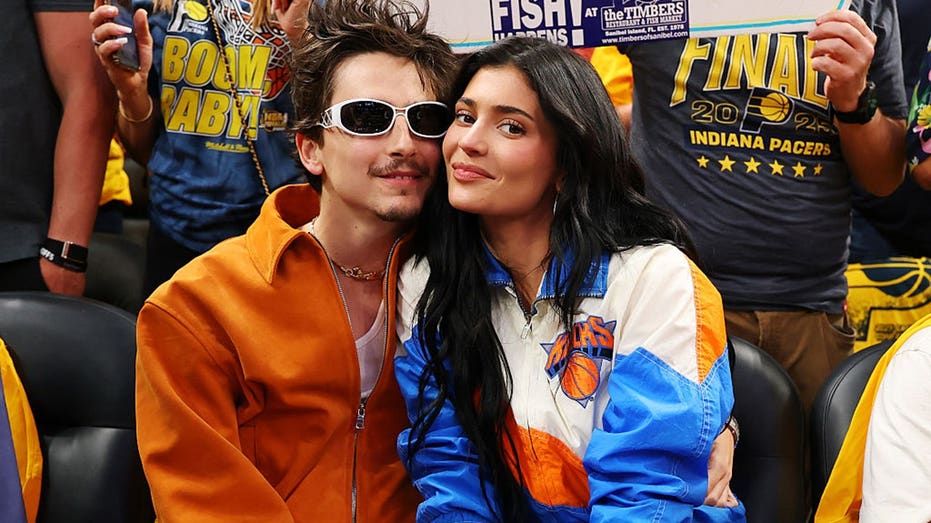
Kylie Jenner Inspires Knicks Lingerie; Swift-Kelce Wedding Rumors Surface
Kylie Jenner's influence extends to Knicks lingerie, while Swift-Kelce wedding rumors and a German tourist's Waffle House discovery make headlines.
The cultural impact of celebrities continues to manifest in unexpected ways, with Kylie Jenner's influence now reportedly extending to New York Knicks-themed lingerie. This trend coincides with burgeoning rumors surrounding a potential wedding between pop superstar Taylor Swift and NFL tight end Travis Kelce at Madison Square Garden.
Meanwhile, a German tourist's accidental discovery of the iconic American diner chain Waffle House in Helen, Georgia, has also captured attention. The tourist encountered the unique experience of freestyle soda machines, highlighting a quirky aspect of American culture.
Jenner's connection to the Knicks appears to stem from a fan's initiative, where an OnlyFans model was sent a Patrick Ewing jersey and paid to perform a twerk in it, seemingly inspired by the celebrity. This instance points to the wide-reaching and sometimes unconventional ways celebrity fandom manifests.
The Swift-Kelce wedding speculation, while unsubstantiated, has fueled considerable public interest, with Madison Square Garden being cited as a potential venue. The high-profile nature of both individuals ensures that any developments in their relationship garner significant media attention.
The story of the German tourist discovering Waffle House offers a lighter, more whimsical narrative. The novelty of the freestyle soda machines, a common feature in many American fast-food establishments, provided an amusing cultural observation for the visitor.
These disparate events—celebrity-inspired fan culture, high-profile romance rumors, and a tourist's unique cultural encounter—collectively illustrate the diverse and often surprising narratives that capture public interest in the current media landscape.
The source material does not provide further details on the specific nature of the Knicks lingerie or the individuals involved beyond what is mentioned. Similarly, the Swift-Kelce wedding rumors are presented without concrete evidence or official confirmation.
While the Waffle House discovery is a personal anecdote, it serves as a small window into how everyday American institutions can be perceived as novelties by international visitors.
This article was written by AI based on publicly available news reporting. Original reporting by the linked source.