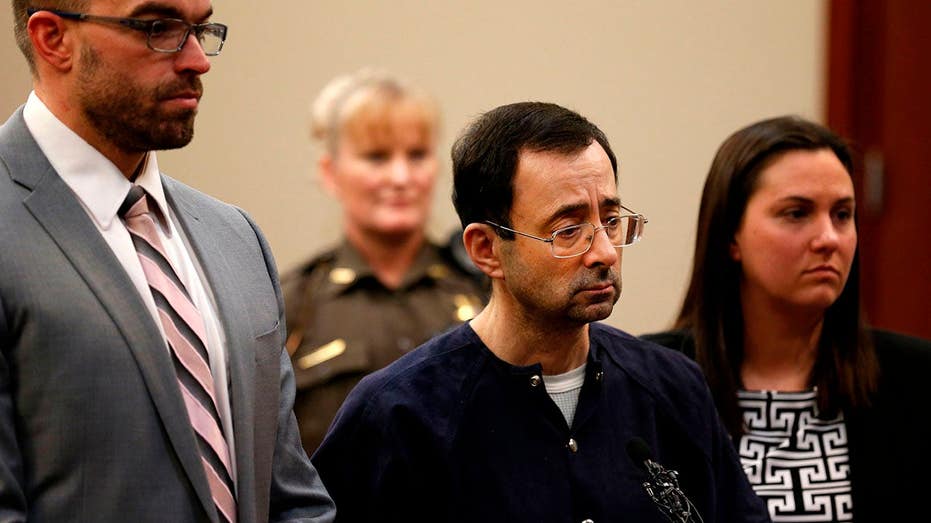
Larry Nassar Removed from Michigan Sex Offender Registry Following State Decision
Disgraced doctor Larry Nassar has been removed from Michigan's sex offender registry, affecting over 20,000 individuals.
Michigan has removed disgraced sports doctor Larry Nassar from its sex offender registry, a move that impacts more than 20,000 individuals in the state. The decision, made by Michigan State Police, comes after a review of registration requirements and criteria.
Nassar, a former physician for USA Gymnastics and Michigan State University, was convicted of multiple sexual assault charges involving young female athletes under his care. His crimes led to widespread outrage and significant legal consequences, including lengthy prison sentences.
The removal from the registry does not negate Nassar's convictions or his sentences. It is a procedural change related to the state's database management and the specific conditions under which individuals are required to register as sex offenders. The exact reasons for his removal from this particular database have not been fully detailed, but such decisions often involve re-evaluations of legal statutes and registration mandates.
This development is likely to spark further discussion and potential legal challenges from victims and advocacy groups who have long sought justice and accountability for Nassar's actions. The registry is a tool designed to track individuals convicted of sex offenses and alert communities to potential risks.
Nassar's case brought unprecedented attention to the systemic failures that allowed his abuse to continue for decades. Numerous investigations revealed how institutions like USA Gymnastics and Michigan State University mishandled complaints and enabled his predatory behavior. The fallout led to significant reforms in athlete protection policies across various sports organizations.
Victims of Nassar's abuse have spoken out forcefully over the years, sharing their harrowing experiences and advocating for stricter laws and better support systems. Their courage in coming forward was instrumental in Nassar's prosecution and the subsequent reforms.
The broader implications of this registry removal are yet to be fully understood. While it is a change in a state database, it raises questions about the long-term management of sex offender registries and the potential for changes in registration requirements to affect public safety perceptions.
Questions remain about whether similar reviews or changes are occurring or will occur in other states where Nassar may be subject to registration. The focus for many will remain on ensuring the safety and well-being of survivors and preventing future abuses.
This article was written by AI based on publicly available news reporting. Original reporting by the linked source.