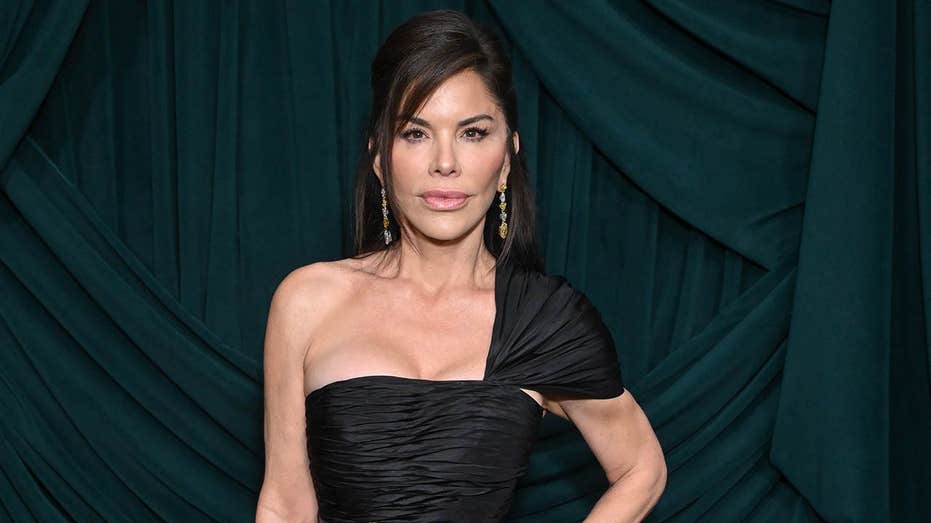
Lauren Sánchez Bezos reveals dyslexia, past on-air mistakes fueled by fear
Lauren Sánchez Bezos disclosed her struggle with dyslexia during her TV news career, overcoming fear to become an advocate.
Lauren Sánchez Bezos has revealed that she concealed her dyslexia while working as a television news anchor, a condition that led to on-air errors and a persistent fear of being discovered. The media personality and founder of Black Ops Aviation shared her experience, detailing how she navigated the pressures of live television while managing her learning difference.
Sánchez Bezos's decision to speak openly about her dyslexia comes after facing criticism regarding her presence in media roles. She explained that the fear of judgment and exposure fueled her determination to succeed, often leading to intense preparation and a constant awareness of her surroundings during broadcasts. This personal revelation sheds light on the hidden challenges faced by many in high-pressure professions.
During her career, Sánchez Bezos experienced "flubs" on air, which she now understands were exacerbated by her dyslexia. These mistakes, which she previously attributed to other causes, contributed to a sense of anxiety and the feeling that she did not "deserve to be there." Her journey has since transformed from one of concealment and fear to one of advocacy and empowerment.
By sharing her story, Sánchez Bezos aims to destigmatize dyslexia and encourage others who may be struggling in silence. She highlighted the importance of understanding and support in overcoming the challenges associated with learning differences, particularly in environments that demand precision and quick thinking. Her transition into advocacy underscores a commitment to helping others find their voice.
Sánchez Bezos's experience as a news anchor involved significant pressure to perform flawlessly. The fast-paced nature of live television, coupled with the need to process information rapidly, presented unique obstacles for someone with dyslexia. She described the constant effort required to maintain composure and accuracy, often relying on memory and quick adaptation to compensate for reading and processing difficulties.
The public scrutiny she faced, particularly from critics who questioned her qualifications, added another layer of complexity. Sánchez Bezos suggested that these critiques, while painful, ultimately strengthened her resolve. Her ability to persevere through such challenges demonstrates a profound resilience developed over years of navigating her condition in the public eye.
Her advocacy now focuses on creating a more inclusive environment where learning differences are recognized and accommodated. Sánchez Bezos believes that by sharing her personal narrative, she can inspire a broader conversation about neurodiversity in the workplace and beyond. This includes encouraging educational institutions and employers to adopt more supportive practices.
Looking forward, Sánchez Bezos intends to continue using her platform to raise awareness and promote understanding of dyslexia. Her journey from hiding her condition to championing its acceptance marks a significant personal triumph and offers a powerful message of hope and empowerment to individuals facing similar circumstances.
This article was written by AI based on publicly available news reporting. Original reporting by the linked source.