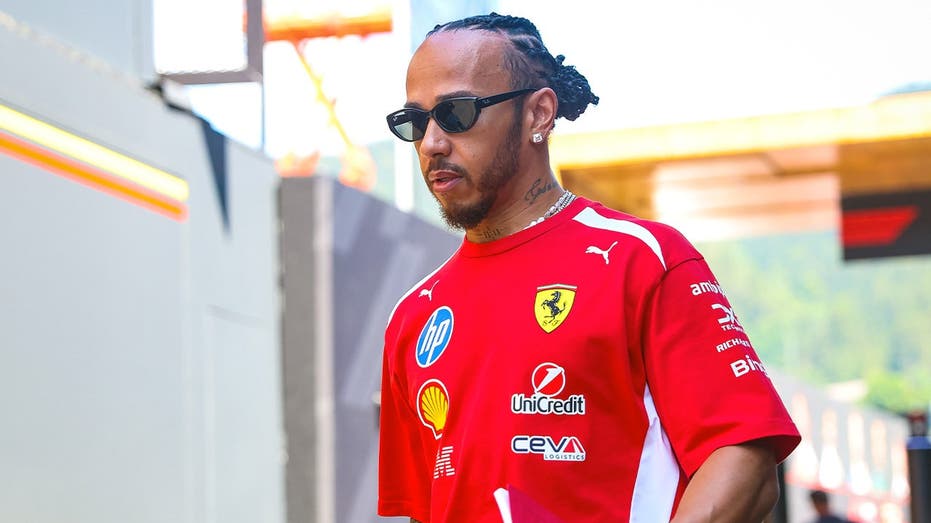
Lewis Hamilton Suffered Serious Neck Injury, Competed for Nine Weeks
Seven-time F1 champion Lewis Hamilton revealed a severe neck injury sustained during testing, impacting his ability to compete.
Formula 1 star Lewis Hamilton has disclosed that he suffered a serious neck injury during a testing session, an ailment that significantly impacted him for nine weeks.
Despite the severity of the injury, Hamilton continued to participate in preseason testing and subsequent races, highlighting his dedication to the sport.
The revelation came from the seven-time world champion himself, though specific details regarding the exact testing session or the nature of the injury were not immediately provided. The period of recovery and continued competition underscores the intense physical demands placed on Formula 1 drivers.
This disclosure sheds light on the potential hidden struggles athletes face while maintaining peak performance. The ability to compete through significant pain and physical limitation is a testament to Hamilton's resilience and commitment.
Formula 1 drivers undergo rigorous physical conditioning to withstand the extreme G-forces and stresses experienced during races. Injuries, even those not immediately apparent, can have a profound effect on performance and well-being.
Hamilton's history includes numerous accolades, cementing his status as one of the sport's greatest drivers. His ability to overcome physical adversity while continuing to compete at the highest level is a notable aspect of his career.
The impact of such injuries can extend beyond immediate physical discomfort, potentially affecting long-term health and career longevity. The sport's governing bodies and teams continually work to enhance safety protocols, but inherent risks remain.
Further details on the injury and Hamilton's recovery process are anticipated as the Formula 1 season progresses, with fans and analysts keen to understand the full extent of his experience.
This article was written by AI based on publicly available news reporting. Original reporting by the linked source.