Liberia Charges Five After Seizing Over 200kg Cocaine Valued at $19 Million
Liberia charged five individuals after a major drug bust, seizing over 200kg of cocaine falsely declared as seasoning cubes.
Five suspects have been charged in Liberia following the discovery of more than 200 kilograms of cocaine, falsely declared as seasoning cubes, at the country's international airport. The significant drug seizure, valued at an estimated $19 million (£14.2 million), occurred on June 8 in Monrovia.
The operation, described as a "serious transnational cocaine trafficking operation," utilized Liberia's aviation and logistics systems, according to Inspector General Gregory Coleman. Evidence suggests the shipment was linked to a similar consignment processed in May, indicating a pattern of organized criminal activity.
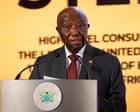
President Joseph Boakai has vowed that Liberia will not serve as a base for narcotics trafficking. "Liberia will not be used as a safe haven, transit point, warehouse, financial centre or operational base by criminal networks engaged in narcotics trafficking," he stated, ordering a joint investigation by the police and the national anti-drug agency.
The delay in naming the suspects sparked a row in parliament, with Inspector General Coleman summoned to a special senate hearing amid public speculation of interference. On Saturday, Coleman announced that investigations had uncovered evidence pointing to the complicity of the logistics company responsible for handling the shipment.
The key suspect, identified as the operations manager of the logistics firm, is currently in custody in Monrovia. Arrest warrants are expected to be issued in collaboration with Interpol for the other four individuals, who remain at large. The charges include transportation, possession, and illicit trafficking of controlled substances, along with criminal conspiracy.
This bust represents one of the largest drug seizures in Liberia's history, highlighting the nation's vulnerability to international drug trafficking networks. The government's swift response, including presidential intervention and a multi-agency investigation, signals a commitment to combating organized crime.
Authorities are continuing to investigate the full extent of the network involved, including potential links to other illicit activities and the ultimate destination of the cocaine. The case underscores the ongoing challenges faced by West African nations in their efforts to disrupt the flow of illegal narcotics through the region.
Further details regarding the international connections of the trafficking operation and the identities of those at large are anticipated as the investigation progresses and Interpol's assistance is leveraged.
This article was written by AI based on publicly available news reporting. Original reporting by the linked source.