Lindsay Clancy Jury Deadlocked; Judge Orders Deliberations to Continue
Jurors in Lindsay Clancy's murder trial reported they couldn't reach a verdict, prompting the judge to order them to resume deliberations.
Jurors in the murder trial of Lindsay Clancy, accused of killing her three young children, have informed the judge they are unable to reach a verdict. The panel, deliberating for approximately 18 hours over four days, was instructed by Judge William Sullivan to continue their discussions. Clancy has pleaded not guilty to three counts of first-degree murder.
The trial, held at Plymouth Superior Court in Plymouth, Massachusetts, centers on the deaths of Clancy's three children on January 24, 2023. The defense has argued that Clancy was suffering from postpartum psychosis at the time of the killings and her subsequent suicide attempt, contending she is not criminally responsible. Prosecutors, however, maintain that Clancy is criminally responsible for the deaths of her children.
Clancy faces a potential sentence of life in prison without parole if found guilty of murder. If deemed not criminally responsible due to mental state, she would be committed to a state mental health facility. The jury began their fourth day of deliberations on Tuesday, having previously deliberated for about 16 hours over three days without sending any notes on Monday.
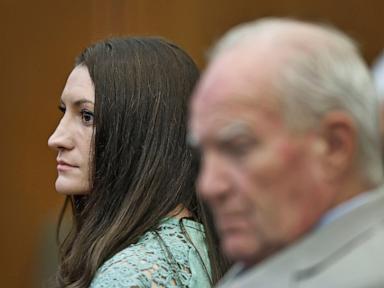
Judge Sullivan greeted the jurors on Tuesday and, after confirming they had not encountered any information that could compromise their impartiality, asked them to continue deliberating. Clancy, who has been attending court proceedings, was seen speaking with her defense attorney, Kevin Reddington, before the judge took the bench. Her parents and sister were present in the courtroom.
The case has highlighted the complex legal and psychological issues surrounding postpartum mental health conditions. The defense's strategy hinges on proving that Clancy's actions were a direct result of a severe mental health episode, rendering her unable to form the intent required for a murder conviction. This contrasts with the prosecution's argument that the evidence supports premeditation and criminal responsibility.
Deliberations began on August 31, 2026, after closing arguments concluded. The jury's inability to reach a unanimous decision underscores the challenging nature of the evidence and the legal standards they must apply. The differing outcomes, a guilty verdict or a finding of not criminally responsible, carry vastly different consequences for Clancy's future and for public understanding of mental health in criminal proceedings.
As deliberations continue, the focus remains on whether the jury can reconcile the conflicting narratives presented by the prosecution and the defense. The outcome will have significant implications for Clancy, her family, and potentially for how postpartum mental health issues are considered within the legal system.
This is a developing story, and further updates will be provided as the jury continues its work.
This article was written by AI based on publicly available news reporting. Original reporting by the linked source.