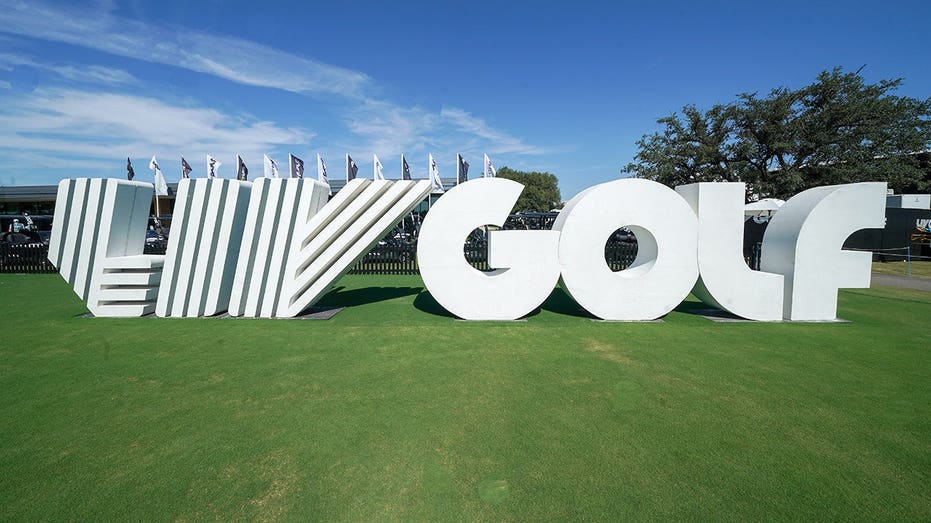
LIV Golf Files Bankruptcy After Saudi Funding Withdrawal, Millions Unpaid
LIV Golf has filed for bankruptcy, citing withdrawal of Saudi funding, leaving stars like Jon Rahm owed millions.
LIV Golf has officially filed for bankruptcy, a move that comes after the withdrawal of financial support from its Saudi Arabian backers. The golf league owes millions of dollars to its players, including prominent figures such as Jon Rahm and Bryson DeChambeau, as it seeks to undergo a restructuring process.
The abrupt cessation of funding has plunged the upstart golf tour into financial disarray, leaving its future uncertain. LIV Golf was established with significant backing from Saudi Arabia's Public Investment Fund (PIF) as part of an effort to rival the established PGA Tour and reshape the professional golf landscape.
Reports indicate that the league is pursuing a restructuring plan to address its financial obligations. The exact amount owed to players remains undisclosed, but sources suggest it runs into the millions, impacting a roster of golfers who had signed lucrative contracts with the tour.
This bankruptcy filing marks a significant setback for LIV Golf's ambitious expansion plans and raises questions about the long-term viability of sports ventures heavily reliant on sovereign wealth funds. The league's legal and financial future will now be determined through the bankruptcy proceedings.
The withdrawal of support from the PIF, the primary financial engine behind LIV Golf, appears to be the catalyst for this financial collapse. The PIF's backing was instrumental in attracting top talent and funding the tour's operations, including substantial prize money and player signing bonuses.
Professional golfers who joined LIV Golf often did so for the guaranteed money and a different competitive structure compared to traditional tours. The unpaid earnings represent a significant financial blow to these athletes, many of whom may have adjusted their career plans based on LIV's promises.
The implications of this bankruptcy extend beyond the players. It also signals a potential shift in the investment strategies of sovereign wealth funds in global sports. The golf world, which has been divided since LIV's inception, now faces a period of potential consolidation or further disruption.
As LIV Golf navigates the bankruptcy process, the future of its tournaments, player contracts, and overall existence hangs in the balance. The resolution of these proceedings will likely shape the trajectory of professional golf for years to come.
This article was written by AI based on publicly available news reporting. Original reporting by the linked source.