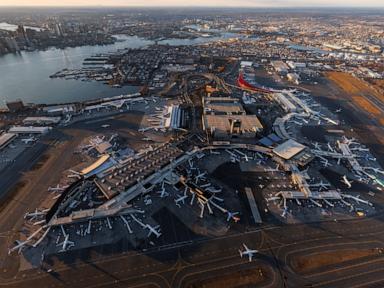
Logan Airport Fuel System Failure Causes Hundreds of Flight Disruptions
A fuel system malfunction at Boston Logan International Airport Sunday night led to a ground stop, causing flight cancellations and significant delays.
A critical fueling system failure at Boston Logan International Airport on Sunday night triggered a ground stop, resulting in numerous flight cancellations and delays. The Massachusetts Port Authority (Massport) confirmed the issue, which has since been resolved, allowing flights to resume normal operations.
The complication arose when the system responsible for delivering fuel to aircraft experienced a low fuel pressure event. According to BOSFuel, the operator of Logan Airport’s fuel system, this triggered an automatic shutdown as a safety precaution. This incident compounded earlier delays experienced at the airport on Sunday, which were attributed to thunderstorms in the region.
During the outage, incoming flights were permitted to land, but the airport faced significant tarmac congestion due to a shortage of available gates for arriving aircraft. Air traffic control recordings described the tarmac as a "parking lot" for planes, prompting controllers to advise pilots to confirm gate assignments before departing for Logan.
The fueling system was restored to full capacity by 10:00 p.m. ET on Sunday, according to BOSFuel. The company stated that the technical issue causing the shutdown has been addressed and no further disruptions are anticipated. Massport confirmed that operations have returned to normal.
The timing of the disruption was particularly impactful, occurring during what the Federal Aviation Administration (FAA) anticipated would be one of the busiest Fourth of July air travel periods in 15 years. The FAA reported managing over 300,000 domestic flights throughout the holiday weekend.
This is not the first time Logan Airport has faced disruptions due to BOSfuel issues. The FAA issued a brief ground stop at the airport in September 2024 following a previous BOSfuel outage. While the exact technical cause of the most recent shutdown has not been detailed, the system's automatic safety protocols were activated.
Airport officials and airlines are working to manage the fallout from the delays and cancellations. Passengers affected by the disruptions are advised to check with their respective airlines for the latest flight information and rebooking options. The resolution of the fueling issue is expected to alleviate further travel disruptions.
While the immediate problem has been fixed, the incident highlights the vulnerability of critical airport infrastructure. The sustained operational integrity of essential systems like fuel delivery is paramount, especially during peak travel seasons, to prevent widespread passenger inconvenience and economic impact.
This article was written by AI based on publicly available news reporting. Original reporting by the linked source.