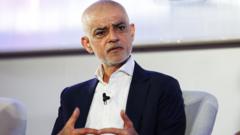
London Mayor Sadiq Khan Among 26 New Peers Entering House of Lords
London Mayor Sadiq Khan and 25 others, including broadcaster June Sarpong, have been appointed to the House of Lords.
London Mayor Sir Sadiq Khan is among 26 new peers who will take seats in the House of Lords, in one of the final acts of Sir Keir Starmer's premiership. Sir Sadiq, a Labour member, has been nominated alongside 15 other Labour peers, including broadcaster June Sarpong and former union chief Christina McAnea.
While joining the Lords would enable Sir Sadiq to potentially serve as a government minister, sources indicate he is not seeking a role in Andy Burnham's incoming government. The nominations, published by Downing Street, also include five new peers from the Liberal Democrats, three from the Conservatives, and two cross-bench members: former cabinet secretary Sir Chris Wormald and retired senior judge Sir Brian Leveson. The King has formally signified his intention to confer these peerages.
Sir Sadiq's nomination is particularly noteworthy. Currently in his third term as London Mayor, first elected in 2016, he has not yet decided if he will seek a fourth term in 2028. A government source lauded Sir Sadiq as a "brilliant mayor" who has significantly improved London, citing his success in reducing violent crime to record lows, improving air quality, delivering the Elizabeth Line, and increasing the construction of council homes.
A spokesperson for the Mayor expressed his honor at the peerage, stating he is eager to continue "standing up for our city and building a fairer, safer and greener London for everyone." The appointments are characterized as a cross-party list of nominations developed before Sir Keir's recent resignation as Labour leader, distinct from the typical resignation honours granted by departing prime ministers.
This list contrasts with the absence of any peerages for Reform UK, whose leader Nigel Farage criticized the appointments as "the uniparty writ large," arguing it further entrenounces an unrepresentative upper house. The Liberal Democrats confirmed five new peers: agricultural economist Julia Aglionby, former Barnsley councillor Hannah Kitching, economist Tim Leunig, campaigns director Dave McCobb, and offshore wind entrepreneur Mark Petterson, all expected to bolster the party's presence and contribute to holding the government accountable.
Among the Conservative appointments is General Sir Patrick Sanders, former head of the army, alongside figures like Carp. The nominations come as Sir Keir prepares to leave office, with Andy Burnham set to become the next prime minister on Monday. The timing suggests these appointments are part of a broader political transition, with implications for the composition and future dynamics of the House of Lords.
Sir Keir had previously signaled a potential for resignation honours, despite earlier reservations about justifying such awards. This list, however, appears to be a pre-planned set of political appointments rather than honours specifically tied to his departure, reflecting ongoing party strategies and political considerations.
The inclusion of prominent figures like Sir Sadiq Khan and June Sarpong highlights a diverse range of backgrounds and expertise being brought into the upper chamber. The full impact of these new peerages on parliamentary debates and legislative scrutiny remains to be seen, but they represent a significant shift in the composition of the House of Lords.
This article was written by AI based on publicly available news reporting. Original reporting by the linked source.