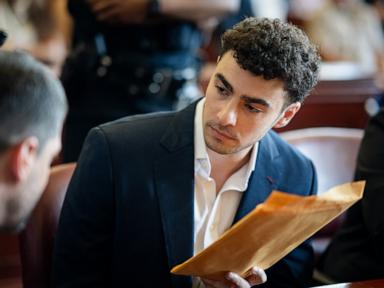
Luigi Mangione's team drops psychiatric defense in Brian Thompson killing trial
Luigi Mangione's legal team withdrew their planned psychiatric defense for the killing of UnitedHealthcare CEO Brian Thompson.
Luigi Mangione's legal team on Thursday withdrew its intention to use a psychiatric defense in the state trial for the killing of UnitedHealthcare CEO Brian Thompson. The decision came just one day after the defense initially announced it would pursue this strategy in court.
The withdrawal was communicated through a brief filing, stating, "The defense respectfully withdraws CPL § 250.10 notice at this time." This development occurred on the same day Mangione faced a deadline to provide his psychiatric history records to the Manhattan district attorney's office.
Following the defense's withdrawal, Mangione is no longer required to submit these records. Presiding Judge Gregory Carro also ruled that court documents detailing the defense's legal strategy will remain sealed. "In light of the defendant's withdrawal of CPL § 250.10 notice, the court's previous order sealing certain transcripts, emails, and documents, remains in effect," Carro stated.
Prior to Thursday's reversal, the defense had indicated plans to argue that Mangione was suffering from an extreme emotional disturbance at the time of the alleged killing. This defense strategy typically requires the defendant to acknowledge committing the act.
A transcript unsealed on Thursday revealed that defense lawyers had previously conceded this point in a hearing earlier this year. According to the transcript, defense attorney Karen Friedman Agnifilo stated that pursuing an extreme emotional disturbance defense "would require Mangione to concede he committed the crime."
Mangione has pleaded not guilty to both state and federal charges in connection with the December 2024 shooting death of Thompson on a Midtown Manhattan street. Thompson was the CEO of UnitedHealthcare and a father of two.
The state trial for Mangione is slated to commence on September 8, with his federal trial scheduled for next year. In a separate development on Wednesday, Judge Carro granted a request to dismiss one of the criminal counts against Mangione, specifically related to the possession of a large-capacity ammunition magazine.
The case has drawn significant attention, and the shift in defense strategy marks a critical juncture as the trial date approaches.
This article was written by AI based on publicly available news reporting. Original reporting by the linked source.