Lula Re-elected Brazil President; Opponent Refuses to Concede
Luiz Inácio Lula da Silva wins Brazil's presidency, defying polls, but his rival refuses to accept the election outcome.
Luiz Inácio Lula da Silva has been re-elected as the president of Brazil, the nation's electoral authority announced, concluding a fiercely contested election. The outcome, however, was immediately met with a refusal to concede by his opponent, casting a shadow over the democratic process.
This election was widely seen as a critical moment for Brazil, pitting the leftist former president Lula da Silva against the incumbent right-wing leader Jair Bolsonaro. The stakes were high, with differing visions for the country's environmental policies, economic direction, and social programs.
Official results showed Lula da Silva securing a narrow victory, a result that diverged from some pre-election polling which had indicated a more comfortable lead. The close margin of victory underscores the deep political divisions within the South American nation.
The refusal of Lula da Silva's opponent to accept the results introduces an element of uncertainty regarding the transition of power. Such a stance is unusual in Brazilian politics and could lead to further political instability.
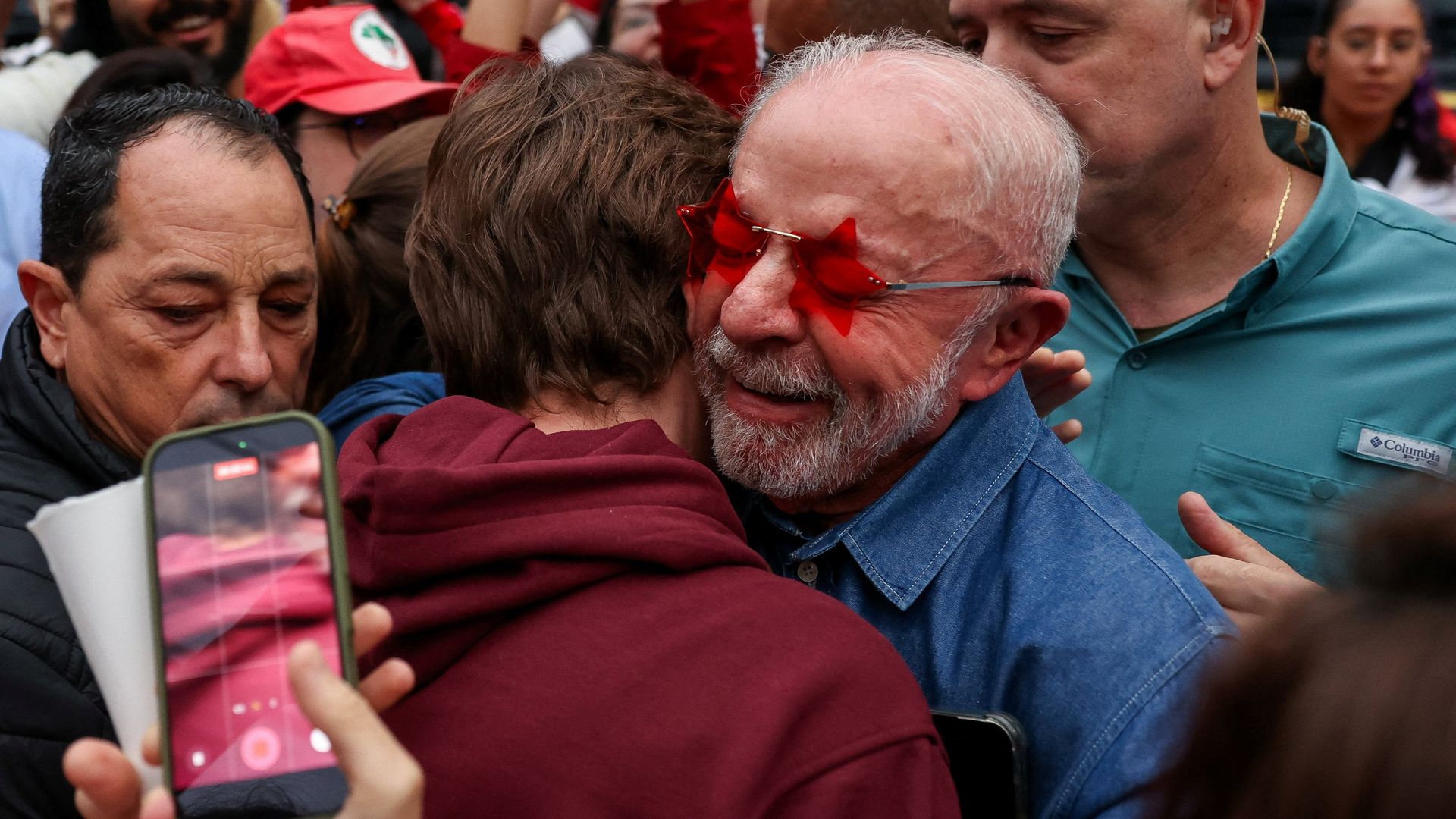
Supporters of Lula da Silva celebrated the victory, viewing it as a return to more inclusive policies and a potential shift in Brazil's international standing. Conversely, Bolsonaro's supporters expressed disappointment and concern over the future direction of the country.
Analysts are closely watching the next steps, particularly how the military and other institutions will respond to the contested outcome. The electoral authority has affirmed the validity of the vote and the process.
Historically, Brazilian presidential elections have been characterized by peaceful transitions, even in close races. This year's contentious conclusion deviates from that norm, prompting questions about the health of democratic institutions and public trust.
Further developments are expected as the political landscape navigates this unprecedented situation, with implications for Brazil's domestic policy and its role on the global stage.
This article was written by AI based on publicly available news reporting. Original reporting by the linked source.