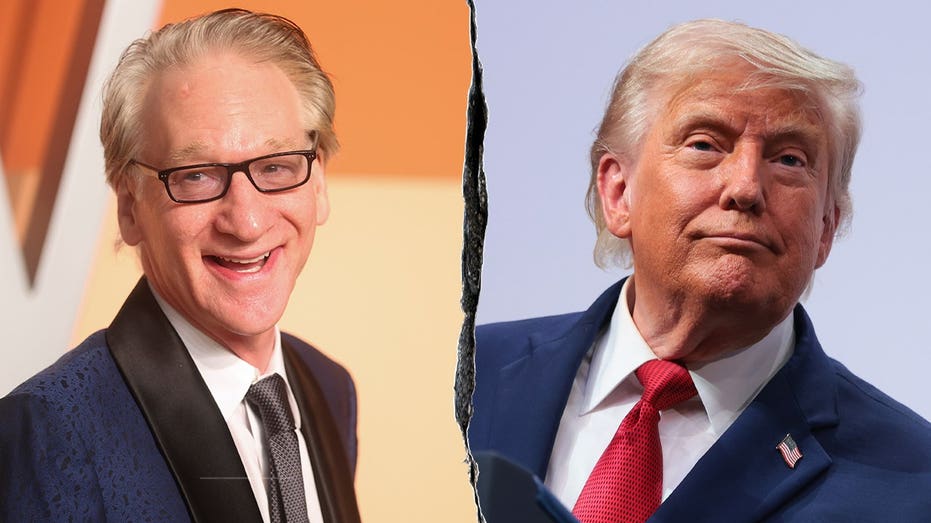
Maher Credits Trump's Toughness for Declining US Crime Rates
Bill Maher suggested Donald Trump's aggressive stance on crime may have contributed to a nationwide decrease in violent offenses.
Comedian and television host Bill Maher has posited that former President Donald Trump's "kick-a--" approach to crime may have played a role in the subsequent decline of violent offenses across the United States. Maher made these remarks on his show, "Real Time," suggesting that Trump's tough rhetoric and policies might have had a deterrent effect on criminal activity.
While Maher did not provide specific data to directly link Trump's presidency to the crime reduction, his comments come amid a period where national crime statistics have shown a downward trend. This perspective challenges conventional political narratives and suggests that a leader's perceived toughness can influence public safety outcomes.
Maher's observation implies that the perception of strict law enforcement and severe consequences for criminals, often a hallmark of Trump's political messaging, could have instilled a sense of fear or caution among potential offenders. He indicated that this tough persona, regardless of its specific policy implementations, might have been more effective in curbing crime than other approaches.
The suggestion has sparked discussion, as crime rates are influenced by a complex array of socioeconomic factors, including economic conditions, policing strategies, community programs, and demographic shifts. Attributing the decline to a single factor, such as a president's persona, simplifies a multifaceted issue.
Historically, periods of economic stability and targeted law enforcement initiatives have often correlated with reductions in crime. However, the effectiveness of "tough on crime" policies versus community-oriented or rehabilitative approaches remains a subject of ongoing debate among criminologists and policymakers.
Maher's remarks are notable for their departure from typical political commentary, which often focuses on policy details rather than the psychological impact of a leader's public image. His assessment suggests that the symbolic projection of strength and resolve can have tangible effects on societal behavior.
Further analysis of crime trends often involves examining specific categories of offenses, such as homicides, robberies, and assaults, and their geographical distribution. While overall violent crime rates may be down, certain areas or types of crime might still be experiencing increases, highlighting the localized and varied nature of public safety.
Whether Trump's specific actions or his broader image as a strong leader had a definitive impact on crime rates remains a subject open to interpretation and further research, with many factors likely contributing to the observed statistical changes.
This article was written by AI based on publicly available news reporting. Original reporting by the linked source.