Majority of Americans Reject Trump's Lake Ontario Renaming Proposal, Poll Reveals
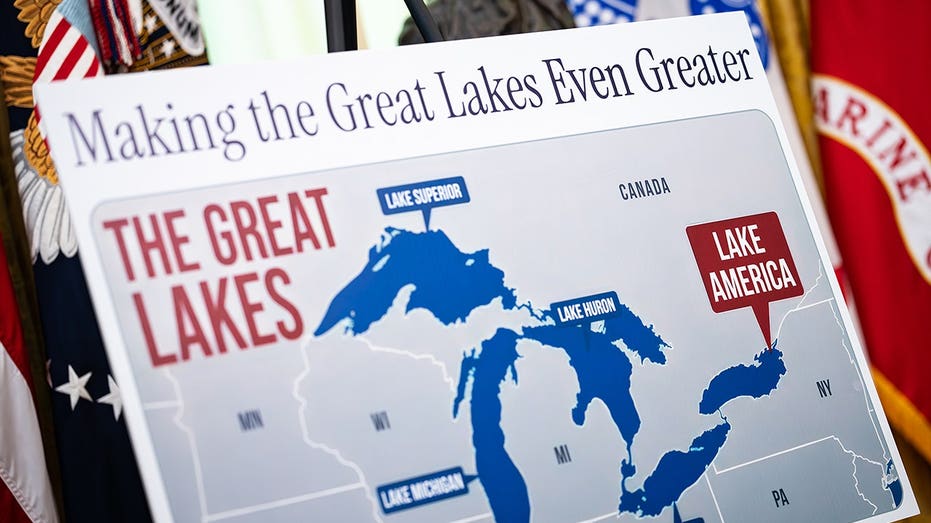
A new poll indicates most Americans oppose Donald Trump's suggestion to rename Lake Ontario "Lake America," with significant opposition across party lines.
A recent poll has found that a majority of Americans do not support former President Donald Trump's proposal to rename Lake Ontario as "Lake America." The suggestion, made by Trump, has met with considerable public disapproval, according to the findings.
The poll indicates a clear division on the issue, with a significant percentage of respondents expressing opposition to the renaming effort. This sentiment appears to transcend typical partisan lines, suggesting a broader rejection of the idea across the American electorate.
Details from the poll reveal that a substantial portion of Americans believe the lake should retain its original name. While specific figures on support and opposition were not detailed in the initial reporting, the overall trend points to a lack of public enthusiasm for the proposed change.
The implications of this public sentiment could signal a challenge for any potential political movement or campaign seeking to rally support behind such a rebranding. It highlights a potential disconnect between the former president's proposals and public opinion on matters of national symbolism.
Historically, renaming geographical features, especially major bodies of water, has often been a contentious process, requiring significant public consensus and often involving legislative action. The proposal to rename Lake Ontario, a significant Great Lake bordering Canada, is no exception.
Reactions to the proposal have varied, but the poll suggests that a prevailing view is that the lake's current name is appropriate and does not require alteration. This perspective underscores a sentiment that existing nomenclature holds historical and cultural value.
While the poll does not delve into the specific reasons for the opposition, potential factors could include a preference for established historical names, a perception of the renaming as politically motivated, or a general disinterest in altering the names of natural landmarks.
Further analysis of the poll data would be needed to understand the demographic breakdown of the opposition and support, as well as the specific arguments respondents may have favored. The findings also raise questions about the perceived impact and necessity of such a renaming initiative in the current political climate.
This article was written by AI based on publicly available news reporting. Original reporting by the linked source.