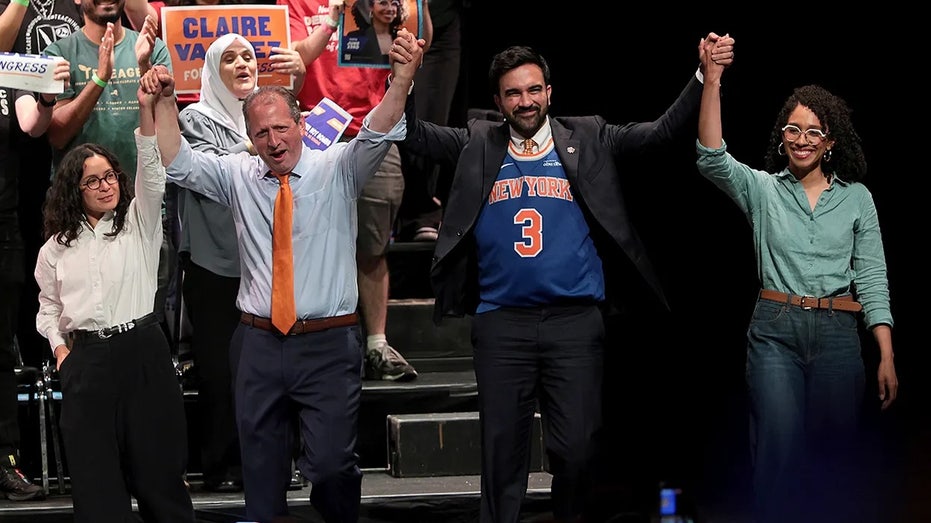
Mamdani-Backed Candidates Oust NYC Incumbents in Far-Left Primary Surge
Mayor Zohran Mamdani's endorsed candidates defeated Democratic establishment incumbents in New York City primaries, signaling a shift in political power.
New York City's political landscape has been reshaped following Tuesday's Democratic primaries, where three congressional candidates backed by Mayor Zohran Mamdani secured victories against established incumbent lawmakers. The results signal a significant win for the far-left wing of the Democratic Party and position Mayor Mamdani as a key political influencer within the city.
The primary contests, particularly in districts historically held by more moderate Democrats, saw voters opt for progressive challengers. This outcome reflects a growing appetite for change and a willingness to embrace candidates with more explicitly left-leaning platforms, challenging the traditional Democratic establishment.
Mamdani's endorsements proved to be a powerful endorsement, with his chosen candidates outperforming expectations. The victories were not narrow margins, suggesting a strong mandate from the voters in these districts. While specific vote counts are still being finalized, the trend is clear: the incumbents' long-held seats are now in jeopardy.
These primary wins have broad implications for New York City politics and potentially for national Democratic Party strategy. The success of Mamdani-backed candidates could embolden further progressive challenges in future elections and may lead to a re-evaluation of party priorities and messaging.
The surge in support for far-left candidates is part of a broader national trend seen in various Democratic primaries across the country. Voters, particularly younger demographics, have increasingly gravitated towards candidates advocating for policies such as expanded social programs, aggressive climate action, and significant shifts in economic policy.
Political analysts suggest that the incumbents may have underestimated the organizing power and voter enthusiasm generated by the progressive movement, amplified by Mayor Mamdani's endorsement. The challenger campaigns focused on grassroots mobilization and direct voter engagement, which appeared to resonate effectively.
Looking ahead, the newly elected candidates will face the general election, where they will need to broaden their appeal to secure victory. However, their primary success indicates a strong base of support and a clear ideological direction for their representation.
Questions remain about how these new representatives will navigate the complexities of Washington and whether their progressive agendas can translate into legislative achievements, especially given the current political climate. The coming months will be critical in determining the long-term impact of this primary upset.
This article was written by AI based on publicly available news reporting. Original reporting by the linked source.