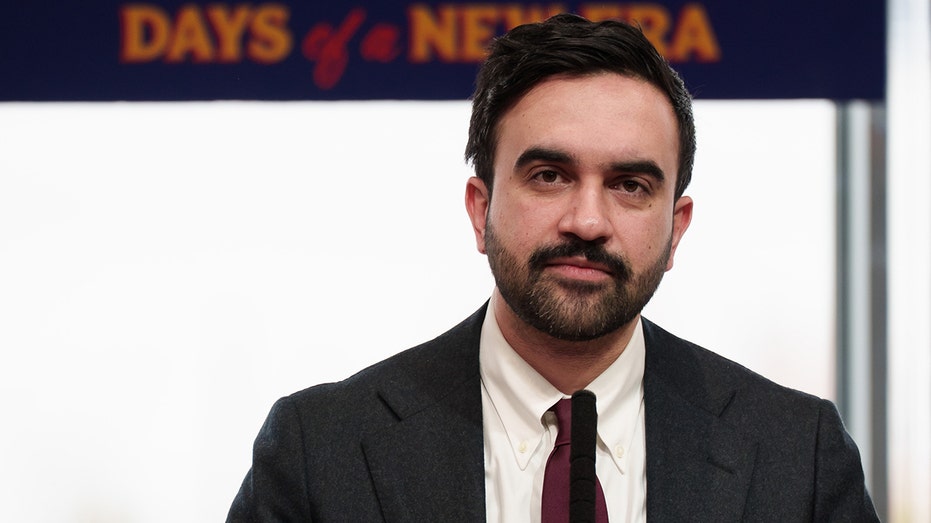
Mamdani's Past Israel Comments Resurface Amid Criticism of Netanyahu Stance
Zoran Mamdani faces renewed backlash as his 2023 remarks on Israel and its leadership are recirculated online.
Zoran Mamdani, a professor, is drawing renewed criticism following the resurfacing of his comments made in 2023 regarding Israel and its Prime Minister Benjamin Netanyahu. The remarks, which some have characterized as "deranged," have been recirculated online, sparking debate and condemnation.
The controversy centers on Mamdani's past statements about the geopolitical situation involving Israel. While the specific details of the 2023 comments are not fully elaborated, their reemergence has prompted a strong reaction from those who find his views objectionable or misinformed. This resurgence comes at a time of heightened global attention on the Israeli-Palestinian conflict and the leadership of Benjamin Netanyahu.
Critics have pointed to the timing of these resurfaced comments, suggesting they are particularly inappropriate or inflammatory given the ongoing international discourse surrounding the region. Online discussions have highlighted the perceived severity of Mamdani's past remarks, with some users calling for accountability or further scrutiny of his public statements.
The renewed attention on Mamdani's views raises questions about the impact of past statements on public figures and academics, especially during periods of intense global conflict. It also underscores the rapid dissemination of information and opinion in the digital age, where older remarks can quickly regain prominence and influence public perception.
This situation is not unique, as public figures and academics frequently face scrutiny over past statements that may be perceived as controversial or out of step with current public sentiment or factual understanding. The digital environment allows for the easy retrieval and sharing of such content, often leading to re-examination and debate.
Experts in media analysis and public discourse have noted that the virality of such resurfaced content can often be amplified by social media algorithms and the desire for engagement, regardless of the factual accuracy or context of the original statements. This can lead to a focus on sensationalism rather than substantive discussion.
Further analysis of Mamdani's broader academic work and public commentary would be necessary to fully understand the context and intent behind his 2023 remarks. However, the immediate impact has been a wave of criticism and calls for clarification or retraction from those who disagree with his expressed views.
As these comments continue to circulate, the debate is likely to persist, highlighting the challenges of navigating complex geopolitical issues and the enduring impact of public pronouncements in the digital era. The full extent of the fallout remains to be seen.
This article was written by AI based on publicly available news reporting. Original reporting by the linked source.