Man Guilty of Attempted Murder in Dublin Stabbings, Sparking Riots
A man has been found guilty of attempting to murder three children in Dublin, following stabbings that ignited widespread riots.
A man has been found guilty of attempting to murder three children in Dublin. The verdict comes after a highly publicized trial that has gripped the nation.
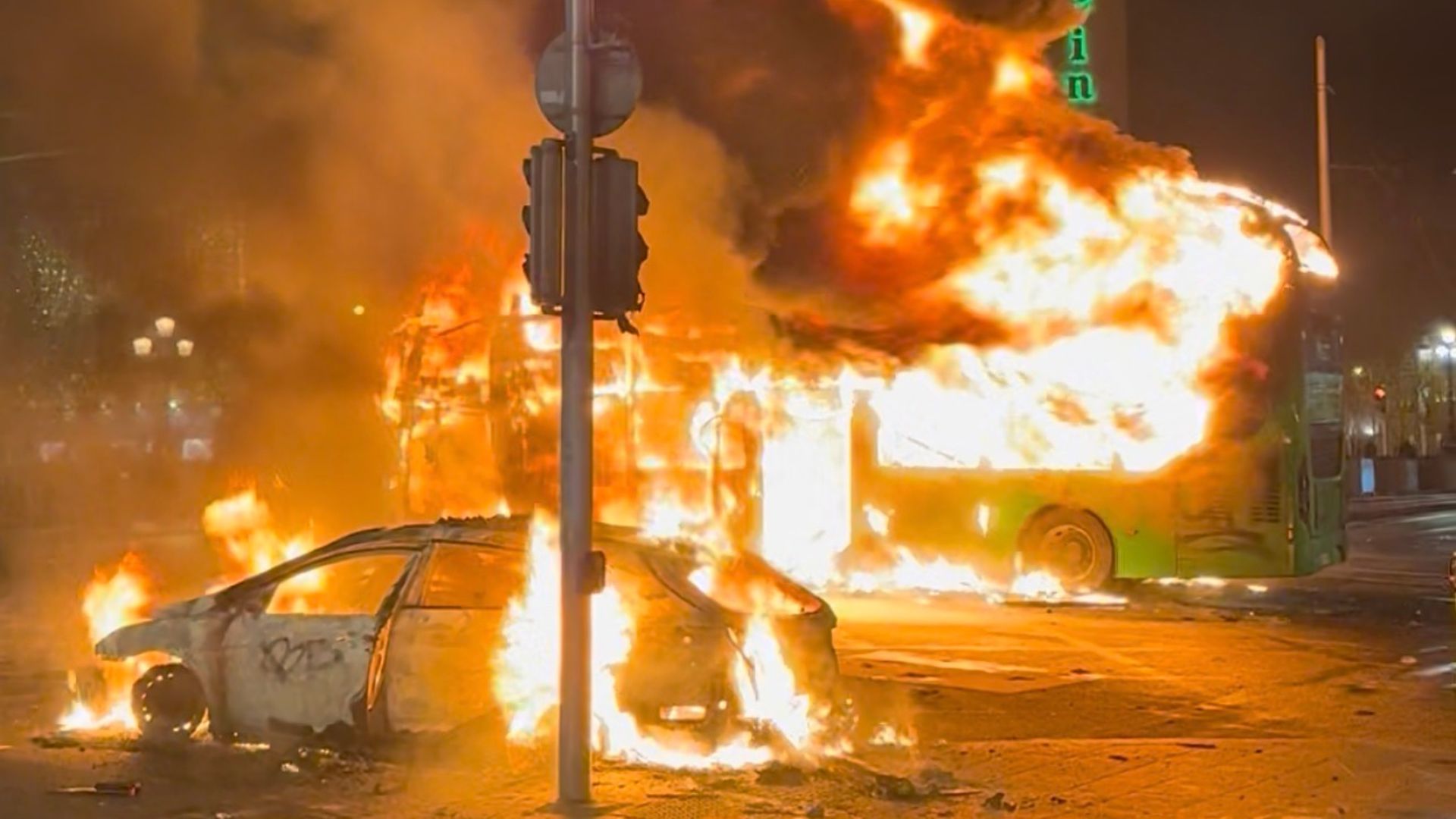
The stabbings, which occurred earlier this year, sent shockwaves through the Irish capital and led to significant public unrest. The violence that followed the initial incident saw widespread protests and riots across the city, highlighting deep-seated social tensions.
The prosecution presented evidence detailing the horrific nature of the attack and the severe injuries sustained by the young victims. Jurors were shown graphic details of the events, leading to a unanimous decision on the charges. The defense argued for a different interpretation of the events, but ultimately, the jury found the evidence compelling.
This conviction is expected to bring a measure of closure to the victims' families, though the emotional and societal scars from the incident and subsequent riots remain. The case has prompted ongoing discussions about public safety, the justice system, and the underlying causes of civil unrest.
Following the attack, gardaí (Irish police) faced immense pressure to identify and apprehend the perpetrator. The investigation involved extensive forensic work and witness interviews. The subsequent riots saw public property damaged and numerous arrests, with authorities struggling to maintain order.
Legal experts have noted the severity of the charges and the potential sentence the convicted man faces. The attempted murder charges carry significant penalties, reflecting the gravity of the crimes against vulnerable victims. The outcome of the trial is being closely watched by legal professionals and the public alike.
Community leaders and social commentators have weighed in on the broader implications of the case. Many have called for increased support for mental health services and for addressing socio-economic factors that may contribute to such acts of violence. The riots, in particular, have been a focal point for debates on integration and social cohesion.
Questions remain about the long-term impact on the affected community and the broader societal response to incidents of this nature. The conviction marks a significant legal milestone, but the healing process for those directly affected and for the city as a whole is likely to be a lengthy one.
This article was written by AI based on publicly available news reporting. Original reporting by the linked source.