Mangione faces trial with anonymous jury after judge's ruling
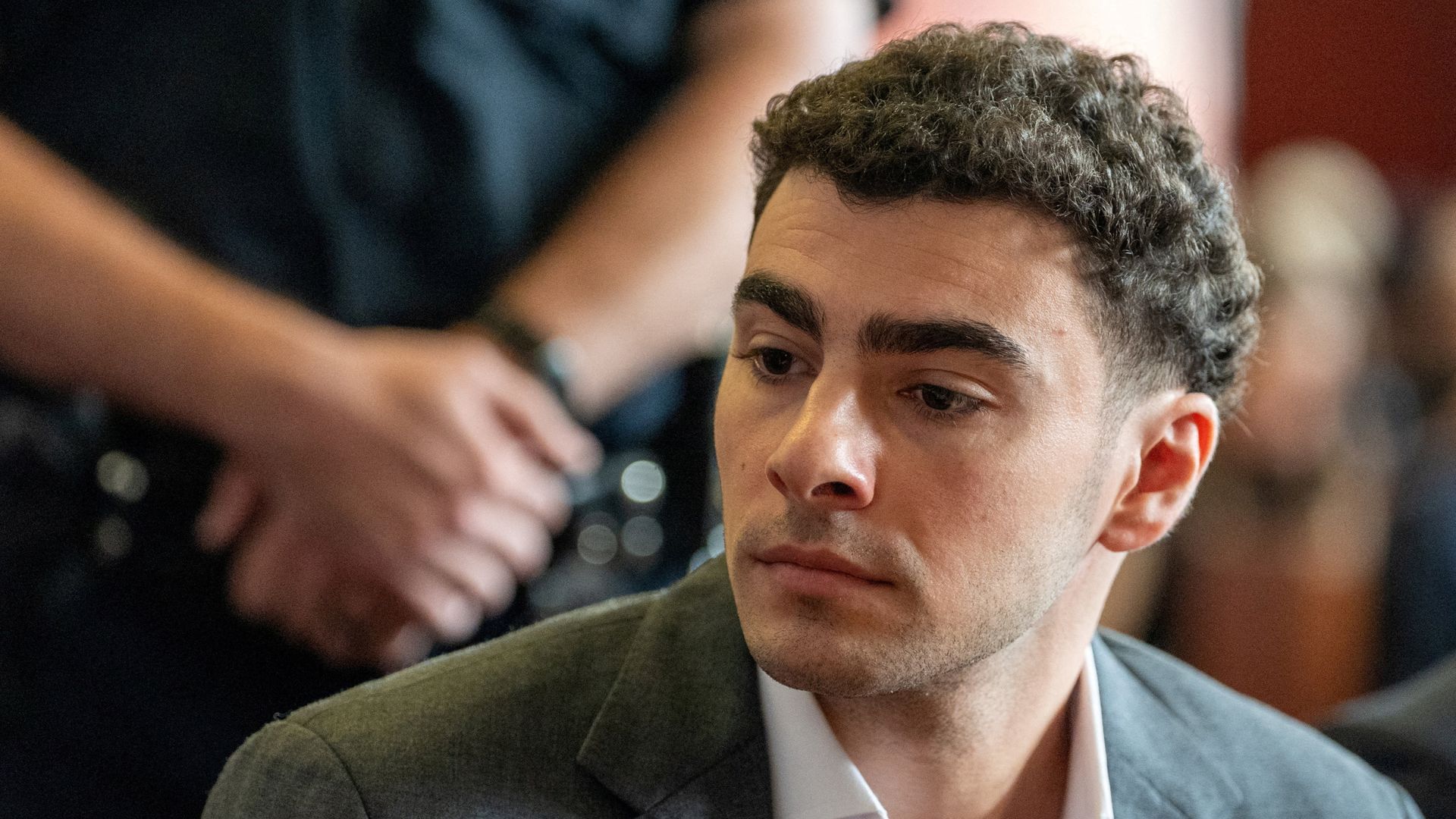
Luigi Mangione appeared in a New York courtroom as a judge ordered his murder trial to proceed with an anonymous jury.
Luigi Mangione, accused of fatally shooting a US healthcare executive, appeared in a New York courtroom Tuesday as a judge ruled his upcoming murder trial will be heard by an anonymous jury.
The decision by Manhattan Supreme Court Justicelifts the veil of secrecy that had surrounded the jury selection process, a move typically employed in high-profile cases where the court believes potential jurors could be influenced by outside pressures.
Justice Richard Adelstein's ruling means the names and identifying information of the selected jurors will be withheld from both the prosecution and the defense. This measure aims to protect jurors from potential intimidation or harassment as they deliberate on the charges against Mangione.
The implications of an anonymous jury can be significant, potentially impacting the dynamics of the trial and the strategies employed by both legal teams. While intended to ensure impartiality and safety, it can also create a sense of distance and reduce transparency.
Mangione is accused of the murder of Dr. Benjamin Neil, a healthcare executive, who was shot and killed in a brazen daylight attack in Manhattan in April 2023. The incident sent shockwaves through the city, highlighting concerns about public safety.
Prosecutors have alleged that Mangione pursued Neil and shot him multiple times. The defense has reportedly sought to challenge the evidence presented by the prosecution, and the selection of an unbiased jury is a critical component of a fair trial.
Attorneys for both sides have been engaged in extensive jury selection, a process that has now been further complicated by the anonymity requirement. The judge's decision underscores the perceived sensitivity and potential risks associated with this particular case.
As the trial progresses, the anonymous jury will weigh the evidence and arguments presented, tasked with reaching a verdict while shielded from public scrutiny. The proceedings are expected to continue with a focus on the legal merits of the case, free from the potential influence of external factors on the jurors.
This article was written by AI based on publicly available news reporting. Original reporting by the linked source.