May's Unwavering Stance on Russia Contrasts With Shifting Global Politics
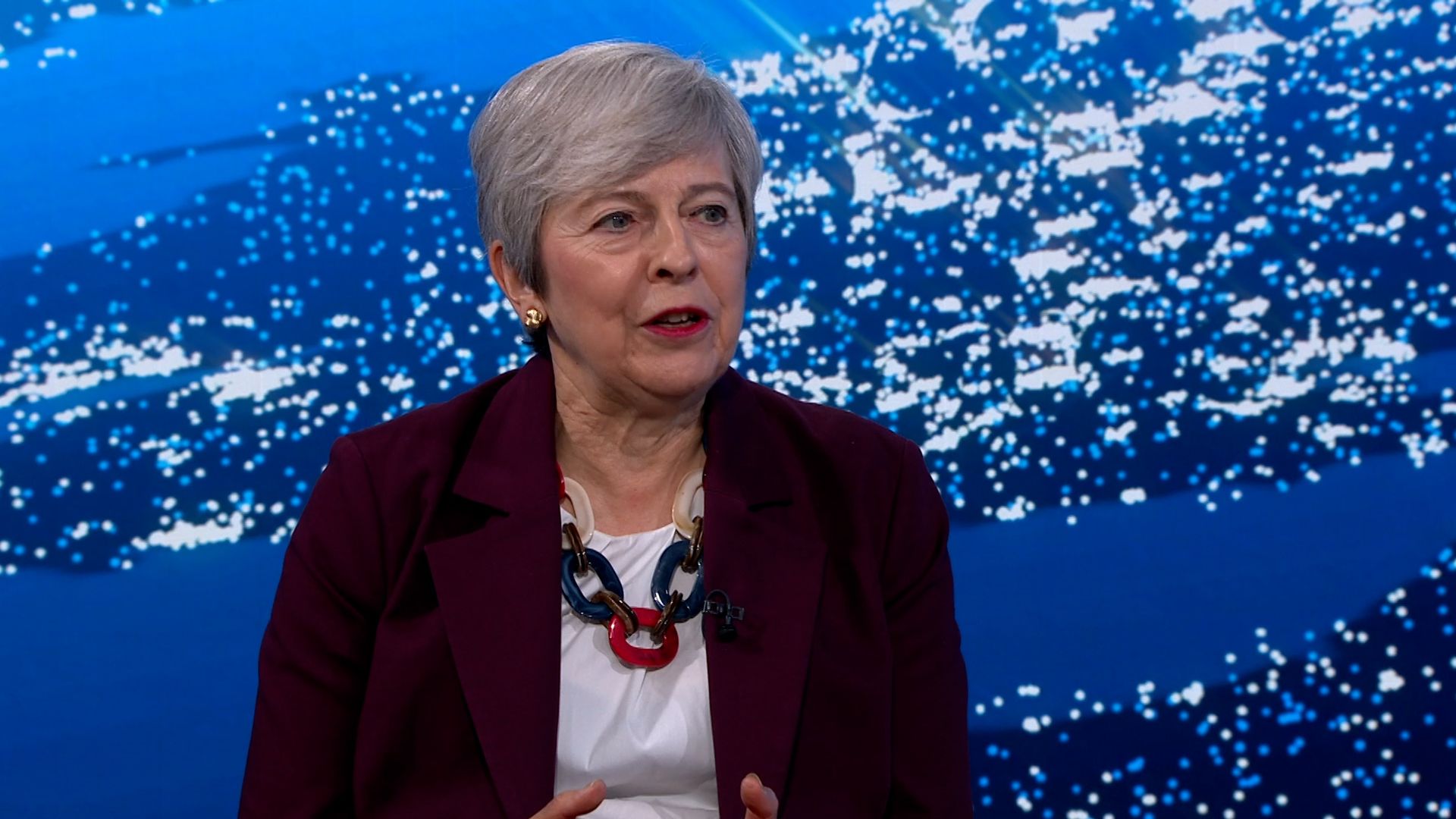
Former UK Prime Minister Theresa May maintains a hardline view on Russia, contrasting with evolving global political approaches.
Former British Prime Minister Theresa May appears to hold a steadfast perspective on Russia, a viewpoint that seems increasingly out of step with the fluctuating global political landscape.
This enduring stance is particularly noteworthy when contrasted with the shifting approaches of other world leaders, such as former U.S. President Donald Trump, whose policy toward Ukraine has notably swung from support to criticism, and at times, outright hostility. May's consistent skepticism towards Russia suggests a political philosophy rooted in a different era of international relations.
The source material implicitly suggests that May's view, encapsulated by the phrase 'Once a KGB man, always a KGB man,' reflects a deep-seated mistrust of Russia, likely stemming from her experience with the former Soviet Union's intelligence apparatus. This perspective may not have evolved despite significant geopolitical changes over the years.
May's unwavering position raises questions about its relevance and efficacy in a world where alliances and diplomatic strategies are constantly being recalibrated. It prompts consideration of whether such a rigid approach serves current international objectives or hinders diplomatic flexibility.
This enduring perspective from May could be seen as a reflection of a generation of leaders who came of age during the Cold War, a period defined by clear ideological divides and intense geopolitical rivalry. The perceived threat from Russia, shaped by its past as the Soviet Union and its intelligence services like the KGB, may continue to heavily influence her outlook.
In contrast, leaders like Donald Trump have demonstrated a more transactional and often unpredictable foreign policy. His administration's engagement with Russia and its stance on Ukraine have been characterized by shifts that have puzzled allies and observers alike, highlighting a departure from traditional diplomatic norms.
The implications of May's consistent, hardline stance are manifold. It could signify a principled adherence to certain values and security concerns, or it could represent an inability to adapt to new realities and opportunities for dialogue or de-escalation. This raises the debate on whether a consistent, uncompromising stance is more beneficial than a flexible, adaptive approach in navigating complex international relations.
Ultimately, Theresa May's seemingly unchanged view on Russia, set against a backdrop of global political flux, underscores a broader discussion about leadership styles, ideological frameworks, and the evolving nature of international diplomacy in the 21st century. The contrast with more mercurial approaches invites further analysis of what constitutes effective foreign policy in the current global climate.
This article was written by AI based on publicly available news reporting. Original reporting by the linked source.