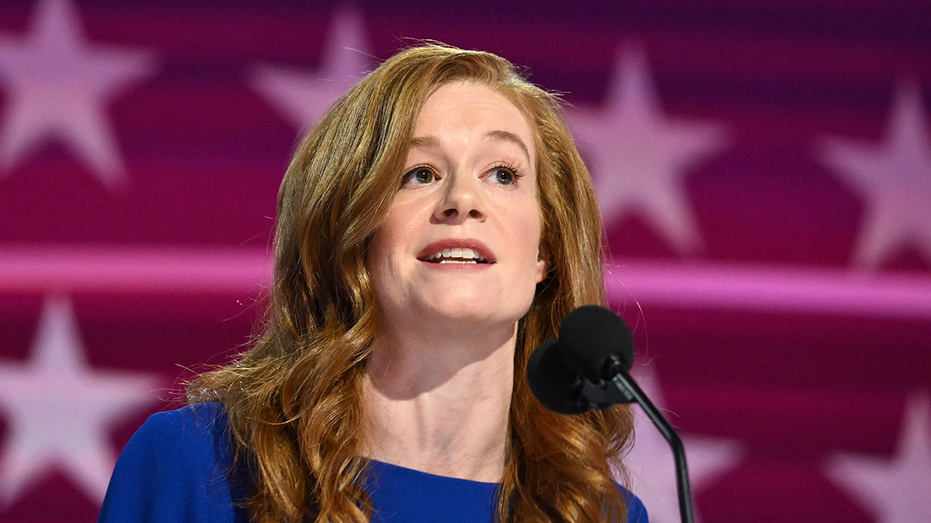
McMorrow Exits Michigan Senate Race Weeks Before Primary
Michigan state Sen. Mallory McMorrow has withdrawn from the U.S. Senate race, narrowing the field before the Aug. 4 primary.
Michigan state Sen. Mallory McMorrow announced on Friday that she is suspending her campaign for the U.S. Senate, just weeks before the state's Democratic primary election scheduled for August 4th. Her withdrawal effectively removes her from the race, leaving two candidates, U.S. Rep. Haley Stevens and Dr. Abdul El-Sayed, to compete for the nomination.
The decision comes at a critical juncture in the campaign, with early voting already underway in Michigan. McMorrow’s exit reshapes the contest for the open Senate seat, which is considered a key battleground in the upcoming general election. The seat is being vacated by retiring Republican Senator Debbie Stabenow.
McMorrow, a rising figure in Michigan Democratic politics, gained national attention for her strong performance in her 2018 state Senate race. Her campaign had been focused on issues such as reproductive rights, climate change, and economic fairness. However, she faced a challenging path to victory in a primary that ultimately consolidated around Stevens and El-Sayed.
Her departure leaves Stevens, a first-term U.S. Representative from the Detroit suburbs, and El-Sayed, a former Detroit health director and progressive activist, as the leading contenders. The primary is now expected to be a closely watched contest between these two candidates, with differing approaches and bases of support within the Democratic party.
Sources close to the McMorrow campaign suggested that internal polling and fundraising challenges played a role in the decision. While McMorrow had built a dedicated following, the resources and momentum required to win a competitive statewide primary proved difficult to secure in the final weeks.
The broader implications of McMorrow's withdrawal are significant for the Michigan Democratic Party. The party now faces the task of unifying behind a single candidate to challenge the eventual Republican nominee in November. Both Stevens and El-Sayed will need to appeal to a wider range of Democratic voters to secure the nomination.
Political analysts are now focused on how the remaining candidates will adapt their strategies. Stevens is expected to lean on her experience in Washington and her ties to moderate Democrats, while El-Sayed is likely to energize the progressive wing of the party. The outcome of this primary could have a substantial impact on the general election race.
Questions remain about how McMorrow's supporters will be distributed between Stevens and El-Sayed, and whether her endorsement, if any, will sway undecided voters. The coming weeks will reveal how her exit will ultimately shape the trajectory of Michigan's Senate race.
This article was written by AI based on publicly available news reporting. Original reporting by the linked source.