Media Accuses Trump of 'Sullied' America 250 on Fourth of July
Media pundits criticized President Trump's Fourth of July celebration, claiming he overshadowed the event and 'sullied' America 250.
Media commentators have leveled accusations against President Donald Trump, asserting that his prominent role in the recent Fourth of July celebrations detracted from the national observance and "sullied" the commemoration of America 250. Op-eds published in the wake of the event argued that the President made himself the central figure, overshadowing the historical significance and patriotic spirit typically associated with Independence Day.
The criticism centers on the perception that the extensive presidential involvement, including a military-themed rally and speech at the Lincoln Memorial, transformed a traditional national holiday into a personal political spectacle. Critics contend this approach diverted attention from the collective commemoration of American history and ideals, placing undue emphasis on the current administration.
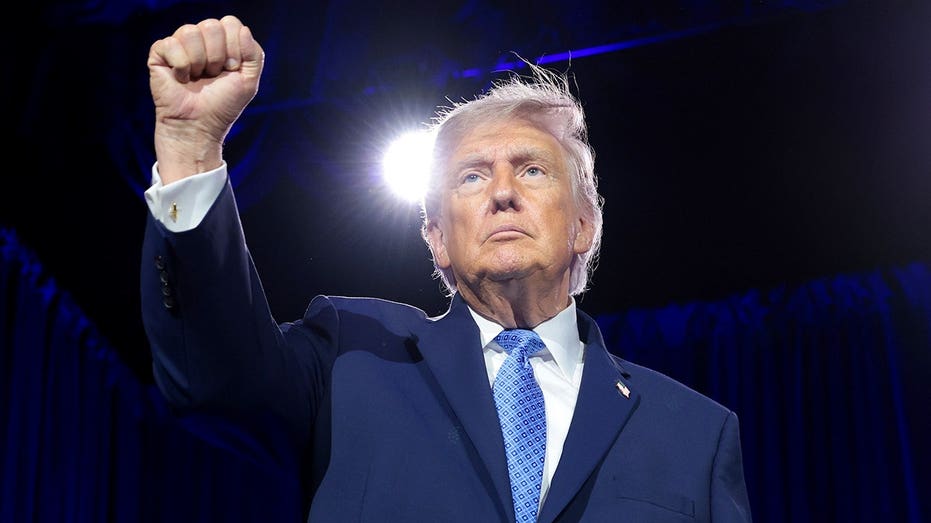
Several media analyses highlighted the visual and rhetorical focus on President Trump during the event, suggesting it was less about celebrating the nation's founding and more about projecting presidential power. Pundits expressed concern that this self-centered narrative weakened the broader message of unity and shared heritage that the Fourth of July is intended to foster.
The implications of these critiques suggest a growing divide in how national holidays and historical commemorations are perceived and utilized. The debate raises questions about the appropriate role of the presidency in national celebrations and the potential for such events to become politicized, thereby diminishing their unifying potential.
This controversy echoes past debates surrounding the politicization of national symbols and events. Historically, the Fourth of July has been a time for bipartisan reflection on American democracy, though presidential involvement has always been a feature. However, the scale and nature of President Trump's engagement have drawn particular scrutiny.
Commentators pointed to the specific elements of the celebration, such as the display of military hardware and the President's address, as evidence of a departure from traditional observances. They argued that the focus shifted from the nation's founding principles to the current administration's agenda.
Reactions from supporters of the President, however, often defended his involvement as a patriotic display and a fitting tribute to the nation and its military. They framed his presence as a sign of strength and national pride, distinct from mere political maneuvering.
Ultimately, the differing interpretations highlight a fundamental disagreement on the purpose and presentation of national celebrations. The ongoing discussion revolves around whether such events should primarily serve as platforms for presidential leadership or as apolitical moments of collective remembrance and unity for all Americans.
This article was written by AI based on publicly available news reporting. Original reporting by the linked source.