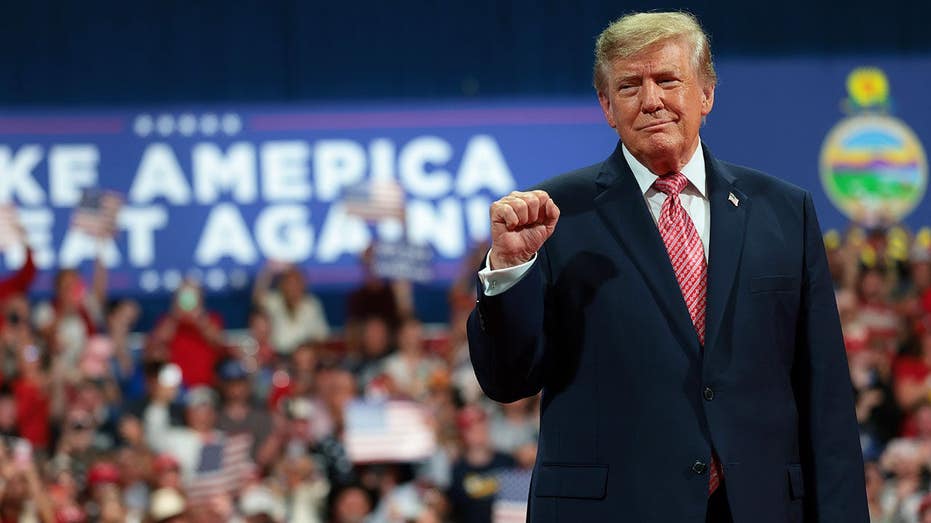
Media Exhaustion Grows Over Constant Fact-Checking of Donald Trump
Journalists report fatigue from repeatedly fact-checking claims made by Donald Trump, impacting coverage and analysis.
A growing sense of "Trump Exhaustion Syndrome" is reportedly affecting journalists, leading to fatigue and a perceived reluctance to engage in constant fact-checking of claims made by former President Donald Trump. This phenomenon is impacting how media outlets approach coverage of the political figure, with some suggesting it could influence the depth and focus of reporting.
The sheer volume and frequency of statements made by Trump, often characterized as misleading or false, have created a demanding cycle for news organizations. The continuous need to verify or debunk his pronouncements can strain resources and lead to a feeling of futility among reporters tasked with the responsibility.
Sources within the media suggest that the repetitive nature of fact-checking Trump's statements has led to a weariness that affects newsroom dynamics. This exhaustion can potentially result in less thorough scrutiny or a shift in reporting strategies, moving away from direct refutation towards broader thematic analysis of his rhetoric.
The implications of this media fatigue are significant, potentially allowing unsubstantiated claims to gain traction or altering the public's perception of what constitutes factual reporting. Experts in media and political communication note that a disengaged or overwhelmed press corps could inadvertently create an environment where accountability is diminished.
This situation is not entirely new, as politicians have historically tested the boundaries of factual discourse. However, the sustained intensity and the specific characteristics of Trump's communication style are said to have amplified the challenge for journalists. The constant demand for verification requires significant editorial effort, diverting attention from other substantive policy discussions or investigative journalism.
Some media strategists are exploring alternative approaches to cover Trump, aiming to break the cycle of repetitive fact-checking. These may include focusing on the patterns of his rhetoric, the impact of his statements on different demographics, or the broader political strategies behind his communication.
However, the core journalistic duty to inform the public accurately remains. The challenge lies in finding effective methods to hold a public figure accountable for their statements without succumbing to the exhaustion that the process can induce. The long-term consequences for political discourse and media credibility are subjects of ongoing debate.
Questions persist about how news organizations can maintain rigorous standards of truth-telling while managing the psychological and practical toll of covering a figure like Trump. The balance between thoroughness and sustainability in fact-checking remains a critical concern for the industry.
This article was written by AI based on publicly available news reporting. Original reporting by the linked source.