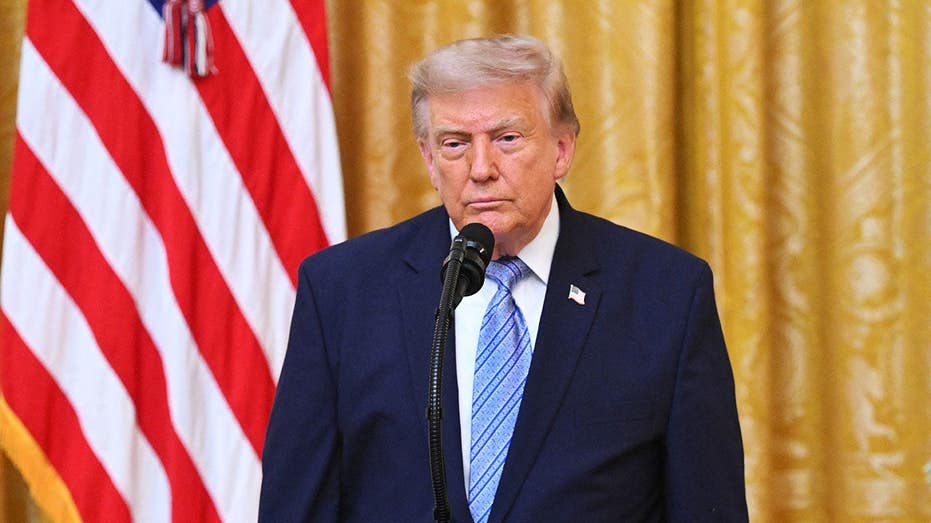
Media Networks Face Scrutiny for Refusing Trump Primetime Address
Major media networks received criticism for not airing Donald Trump's primetime address, citing 'serious concerns' about content.
Several prominent media networks are facing scrutiny for their decision not to broadcast a recent primetime address by former President Donald Trump. The refusal to air the address has drawn criticism and raised questions about media responsibility and the handling of political content.
This action by the networks comes at a time of heightened political polarization and ongoing debates about the role of media in disseminating political messages, particularly those from prominent political figures. The decision highlights the complex challenges media organizations face in balancing journalistic principles with the public's right to information and the potential impact of broadcasted political speech.
Sources indicate that the networks cited "serious concerns" regarding the content of Trump's address as the primary reason for their refusal. While the specific nature of these concerns has not been fully detailed, it is understood to relate to the accuracy and potential impact of the information presented by the former president. This decision marks a significant moment in how media outlets are choosing to engage with political broadcasts.
The implications of this decision extend to the broader media landscape and the public's access to political discourse. By opting out of broadcasting the address, these networks are shaping the narrative and potentially limiting the reach of Trump's message, sparking debate about censorship versus responsible gatekeeping.
This move by the networks is not unprecedented, as media organizations have previously made decisions about which political content to air based on editorial judgment and public interest. However, the prominence of the figure involved and the nature of a primetime address make this instance particularly noteworthy. The decision reflects a growing trend of media outlets exercising more caution regarding political messaging, especially in the digital age where misinformation can spread rapidly.
Reactions to the networks' decision have been divided. Supporters of the networks' stance argue that it is a necessary measure to prevent the spread of potentially misleading or harmful information. Conversely, critics contend that the refusal amounts to censorship and denies the public the opportunity to hear directly from a significant political figure, regardless of the content. This highlights the ongoing tension between the desire for unfettered political speech and the responsibility of media to ensure accuracy and prevent harm.
The specific "serious concerns" cited by the networks remain a focal point of discussion. Without further clarification, it is difficult to fully assess the validity of their decision. However, the act itself signals a willingness by some media outlets to take a more active role in curating the political information presented to their audiences, moving beyond simply broadcasting all political events.
Looking ahead, this incident is likely to fuel further debate about media ethics, journalistic standards, and the power of networks to influence political discourse. The long-term impact on how political addresses are handled by media organizations, and the public's trust in those decisions, remains to be seen.
This article was written by AI based on publicly available news reporting. Original reporting by the linked source.