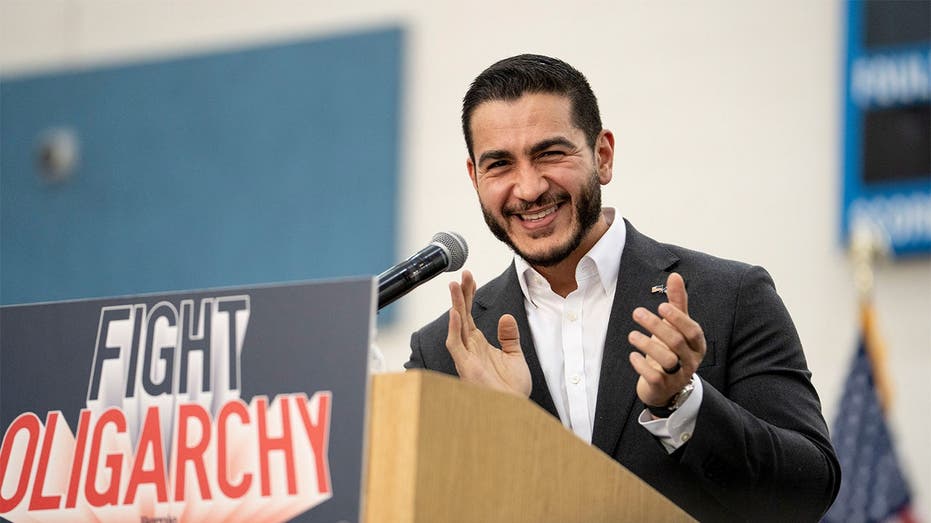
Michigan candidate Abdul El-Sayed dodges questions on controversial remarks
Michigan Senate candidate Abdul El-Sayed deflected specific questions about past controversial remarks regarding the death of Ayatollah Ruhollah Khomeini.
Michigan Senate candidate Abdul El-Sayed, a prominent figure in the state's political landscape, faced pointed questions regarding past controversial remarks attributed to him concerning the death of Iranian leader Ayatollah Ruhollah Khomeini.
During an interview, El-Sayed was pressed to elaborate on comments he reportedly made in 2012. The nature of these remarks has resurfaced as his campaign for the Senate gains momentum, drawing scrutiny from various political observers and opponents.
When directly asked to clarify or discuss the context of his statements about Khomeini's passing, El-Sayed did not provide a direct affirmation or detailed explanation. Instead, he pivoted to discussing broader themes of foreign policy and the current geopolitical climate, emphasizing his commitment to American interests and values.
The candidate's response has been interpreted by some as an attempt to sidestep a potentially damaging line of questioning, while others suggest it reflects a strategic decision to focus on contemporary issues rather than dwelling on past statements.
This incident highlights the challenges candidates often face as past public statements are re-examined during election cycles. The scrutiny of El-Sayed's remarks underscores the importance of carefully considered language, especially when addressing sensitive international figures and events.
El-Sayed's campaign has largely focused on domestic policy issues, including healthcare, economic opportunity, and infrastructure. His supporters often point to his background as a Rhodes Scholar and former public health director as qualifications for office.
However, the resurfacing of these past comments introduces a new dynamic to his campaign narrative. How this issue develops and whether El-Sayed chooses to address it further will likely be a key point of interest in the coming weeks.
The political climate in Michigan is closely watched, and the Senate race in particular is seen as a significant contest. The candidate's ability to navigate these types of controversies effectively could play a role in shaping voter perception.
This article was written by AI based on publicly available news reporting. Original reporting by the linked source.