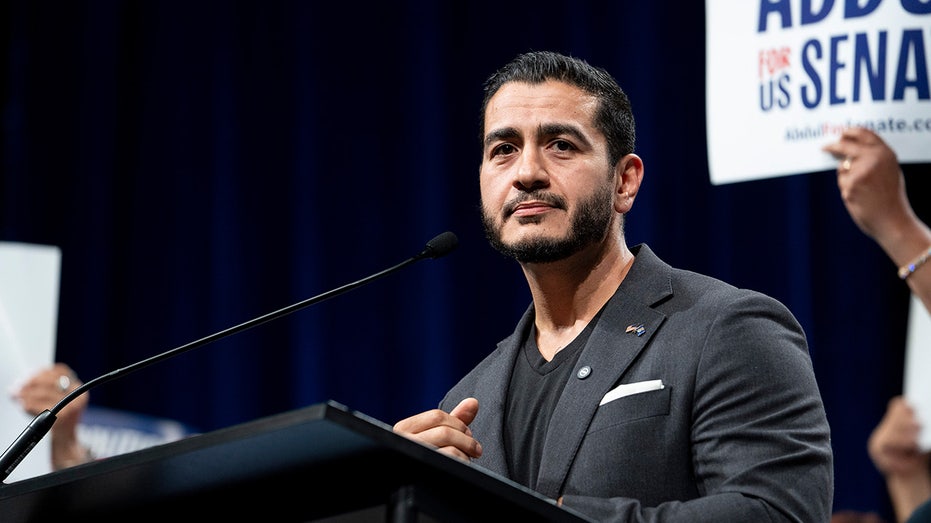
Michigan Student Challenges El-Sayed on Iran Stance at Town Hall
A Michigan student confronted University of Michigan President Santa Ono El-Sayed at a town hall, questioning his stance on Iran.
A tense exchange unfolded at a University of Michigan town hall when a student directly challenged President Santa Ono El-Sayed regarding his position on Iran. The student, whose identity was not revealed, stood before the university leader and posed a direct question about his stance on the nation's actions.
The confrontation occurred during a public forum where El-Sayed was addressing students and faculty. The student's inquiry focused on the university's perceived silence or lack of a strong public denouncement concerning Iran's policies and actions, particularly in light of international concerns. This moment highlighted a growing sentiment among some students who are seeking clearer and more forceful positions from university leadership on global political issues.
During the exchange, the student asked El-Sayed directly, "Do you stand with us?" The question was interpreted as a plea for solidarity and a demand for the university administration to take a more vocal stand against what the student perceives as injustices related to Iran. El-Sayed's response to the pointed question was met with significant attention from attendees.
The implications of this public confrontation extend beyond the immediate town hall. It signals a broader trend of students holding university leaders accountable for their public statements and actions on sensitive geopolitical matters. The incident raises questions about the role of academic institutions in political discourse and the expectations students have for their leaders to engage with global issues.
University administrations often navigate a complex landscape when addressing international conflicts or political situations. They must balance the diverse opinions within their student body and faculty, as well as consider the institution's global partnerships and academic freedom principles. The University of Michigan, like many large research universities, has a global presence and engages with scholars and students from various countries, making pronouncements on international affairs a delicate matter.
Students involved in activism on campuses have increasingly used town hall settings and public forums to voice their concerns and demand specific actions from university administrations. These confrontations are often fueled by a desire for universities to align their institutional values with their public stances on human rights, social justice, and international relations.
While the source material does not detail President El-Sayed's specific response, the nature of the student's question suggests a desire for a clear endorsement or condemnation related to Iran's conduct. Such public challenges can put university leaders in a difficult position, requiring them to articulate a nuanced approach that acknowledges student concerns while maintaining institutional neutrality or a carefully considered policy.
The incident at the University of Michigan underscores the ongoing dialogue between students and university leadership regarding the institution's role in addressing pressing global issues and the expectations placed upon its leaders to represent the values of the academic community.
This article was written by AI based on publicly available news reporting. Original reporting by the linked source.