Missouri Judge Upholds GOP Map, Blocks Redistricting Referendum Before Midterms
A Missouri judge blocked a redistricting referendum, siding with Republicans and upholding a GOP-drawn map just before crucial midterm elections.
A Missouri judge has delivered a significant victory to Republicans just weeks before the midterm elections by upholding the state's newly drawn congressional map and blocking a citizen-led referendum that sought to challenge it. The ruling effectively solidifies the Republican-favored district boundaries for the upcoming contests.
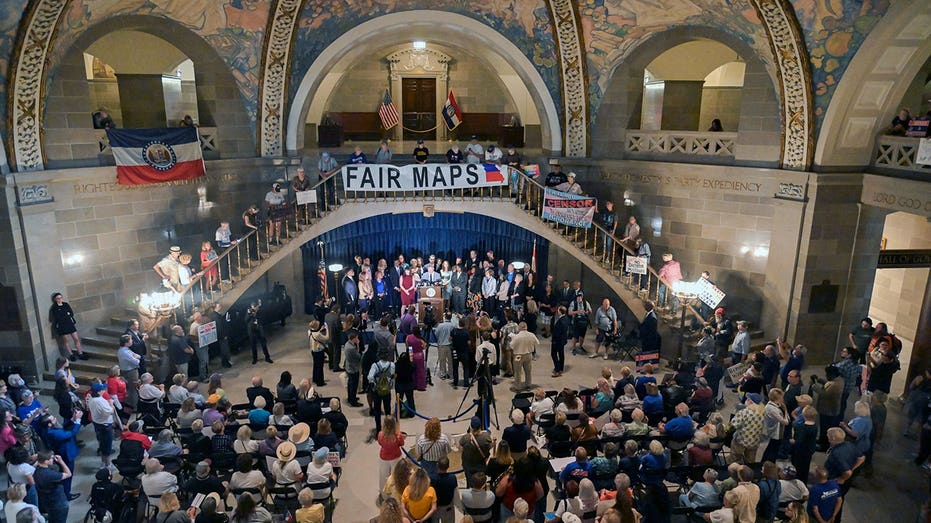
The legal battle centered on a map approved by the GOP-controlled legislature, which critics argued diluted minority voting strength. A coalition of civil rights groups and voters sought to put the map before voters through a referendum, aiming to overturn the legislature's decision. However, Judge Brian Carnahan of Cole County Circuit Court ruled against the referendum, stating that the petition process was not properly followed and that the proposed referendum was invalid.
This decision is a major win for Missouri Republicans, who have controlled the redistricting process and aimed to maintain their advantage in the state's congressional delegation. The approved map largely preserves the existing partisan balance, with six Republican-leaning districts and two Democratic-leaning districts. Opponents had argued that the map unfairly packed minority voters into one district, thereby weakening their influence in neighboring districts.
With the midterm elections fast approaching, the judge's ruling removes a significant legal and political hurdle for the GOP. The blocked referendum would have allowed Missourians to vote on the redistricting map, potentially leading to its rejection and a new map being drawn. The outcome of this case could have implications for future redistricting battles across the country, particularly concerning the balance between legislative power and citizen initiatives.
Supporters of the Republican-drawn map argued that it complied with all legal requirements and accurately reflected the state's political landscape. They contended that the referendum effort was a partisan attempt to subvert the legislative process and disenfranchise voters by creating uncertainty so close to an election.
Civil rights organizations and Democratic lawmakers, however, expressed disappointment with the ruling. They have consistently argued that the map was drawn to intentionally disadvantage minority voters and reduce the influence of the Democratic party in Missouri's congressional delegation. The groups that spearheaded the referendum effort have indicated they are considering an appeal of the judge's decision.
Legal experts note that challenges to redistricting maps are common, especially in closely divided states. The process of drawing new district lines after each census is often contentious, as it can determine political power for the next decade. The outcome in Missouri highlights the complex legal and political dynamics involved in ensuring fair representation.
The immediate impact of the ruling is that the current congressional map will be used for the upcoming November elections. This provides a degree of certainty for candidates and voters, but the underlying debate about fair redistricting and minority representation is likely to continue in Missouri and beyond.
This article was written by AI based on publicly available news reporting. Original reporting by the linked source.