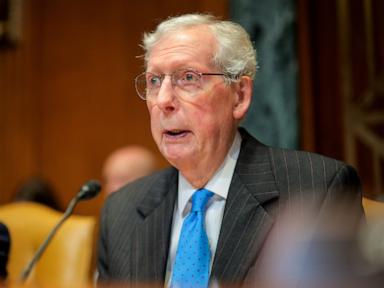
Mitch McConnell Discharged from Rehab, Continues Recovery at Home
Senator Mitch McConnell has been discharged from a rehabilitation center and will continue his recovery at home, according to a statement released Thursday.
Senate Minority Leader Mitch McConnell announced Thursday that he has been discharged from a rehabilitation center and will continue his recovery process at his home.
The longtime Republican senator from Kentucky stated that he will maintain an intensive regimen of physical therapy from home while continuing to engage with his staff and colleagues on Senate business.
"Earlier today, I was discharged from the rehabilitation center to continue my recovery at home," McConnell said in a statement. He also expressed gratitude for the support he received during his stay. "Elaine and I are grateful for the many well wishes and support from friends, colleagues, and Kentuckians, and for the attentive care I’ve received from excellent doctors, nurses, therapists, and hospital staff."
McConnell's discharge marks a step in his ongoing recovery. His office previously indicated that he would require rehabilitation following a recent incident. The senator's commitment to remaining engaged with Senate matters suggests a continued focus on his legislative duties, albeit with adjustments to his recovery schedule.
The specific nature of the incident leading to McConnell's rehabilitation was not detailed in the statement, but his return home and plans for continued therapy signal progress. His colleagues and constituents have offered well wishes throughout his recovery period, highlighting the broad network of support surrounding the senator.
As the Senate navigates legislative priorities, McConnell's ability to participate remotely will be closely watched. His statement indicates a proactive approach to managing his health while fulfilling his responsibilities as a leader in the chamber.
Further updates on his condition and engagement with Senate business are expected as his recovery progresses. The senator's dedication to his work underscores his long-standing commitment to public service.
McConnell's return to home-based recovery allows for a familiar environment while he undergoes necessary therapy. This phase of his recovery is critical for his long-term well-being and his continued role in the U.S. Senate.
This article was written by AI based on publicly available news reporting. Original reporting by the linked source.