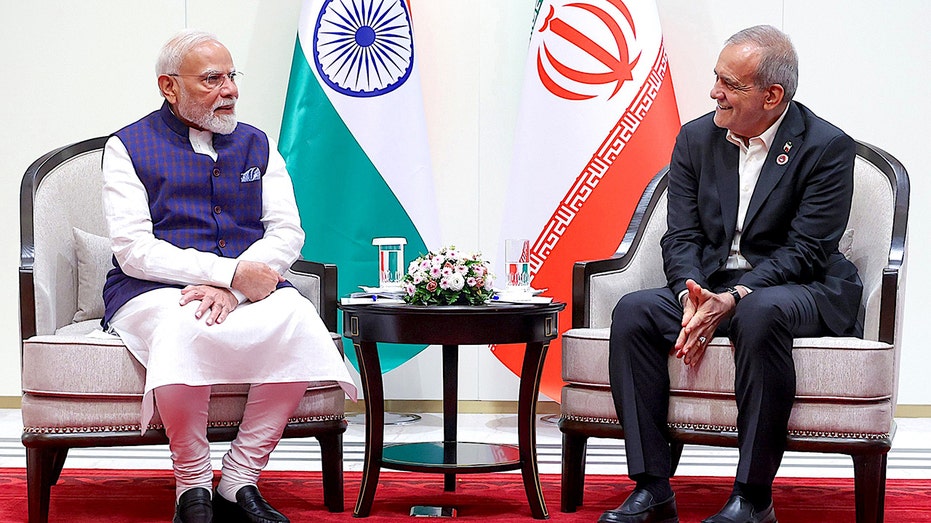
Modi Meets Iran President Amid US Sanctions Threat
Indian PM Modi met with Iran's President, navigating US warnings over sanctions on Tehran's trading partners.
Indian Prime Minister Narendra Modi held a meeting with Iran's President Ebrahim Raisi, a discussion occurring against a backdrop of significant geopolitical tension and explicit warnings from the United States regarding sanctions on countries engaging in trade with Tehran.
The meeting between the leaders of India and Iran underscores New Delhi's complex foreign policy balancing act, particularly concerning its economic and strategic ties with Tehran, which have historically been robust.
While specific details of the discussions were not immediately released, the context of the meeting is crucial. The U.S. has intensified its sanctions regime against Iran, aiming to curb its oil exports and influence. These measures have previously created diplomatic challenges for countries like India, which rely on Iranian oil and have maintained trade relationships with the nation.
This high-level engagement signals India's intent to maintain its independent foreign policy, even as it navigates potential repercussions from its key international partners, including the United States. The implications extend to global energy markets and the broader geopolitical landscape in the Middle East.
Experts have noted that such meetings, especially when occurring under the shadow of U.S. sanctions, highlight the delicate diplomacy required to manage bilateral relationships while adhering to international economic pressures. India has historically sought waivers or exemptions from U.S. sanctions to continue its energy imports, a delicate negotiation that often tests diplomatic ties.
In the past, India has expressed its commitment to international sanctions but has also emphasized its own energy security needs. The current meeting with President Raisi could be seen as an effort to reaffirm existing ties and explore avenues for continued cooperation, potentially within the existing international legal frameworks or by seeking specific understandings.
The broader international community is closely watching how nations like India manage their relationships with Iran, particularly as global powers seek to isolate Tehran. The outcome of these diplomatic engagements can influence regional stability and international trade dynamics.
Several questions remain regarding the specific outcomes of the Modi-Raisi meeting, including whether any new agreements were reached or if discussions touched upon potential adjustments to trade practices in light of the U.S. sanctions. The response from Washington to any perceived deepening of India-Iran ties will also be a significant factor to monitor.
This article was written by AI based on publicly available news reporting. Original reporting by the linked source.