Mount Rainier Visitors Risk Danger for Bear Photos
Tourists at Mount Rainier National Park crowded a wild bear for photos, ignoring safety warnings and potentially endangering themselves and the animal.
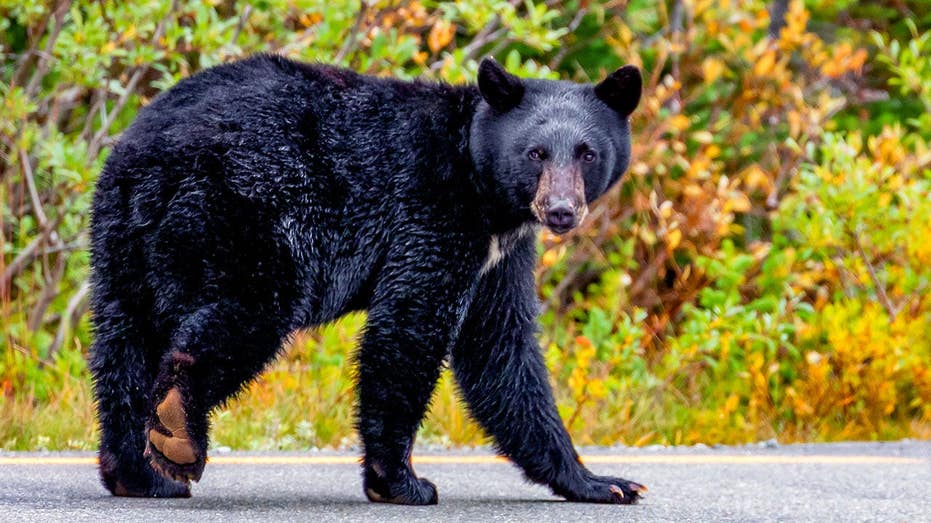
Visitors at Mount Rainier National Park have been observed dangerously close to a wild black bear, prioritizing photographs and video footage over safety. The bear was seen foraging near a path, with crowds gathering just feet away to capture images of the animal.
This behavior highlights a recurring issue in national parks, where the allure of capturing unique wildlife encounters can override common sense and established safety guidelines. Park officials consistently warn visitors to maintain a safe distance from wild animals to prevent altercations and protect both humans and wildlife.
The incident at Mount Rainier, captured on video, shows a significant gathering of people who appear unconcerned by the proximity to a potentially unpredictable wild animal. Such close encounters can provoke defensive behavior from bears, leading to dangerous situations for both the animals and the onlookers.
The implications of such actions extend beyond immediate safety concerns. Habituation to human presence can alter a bear's natural behavior, leading it to associate people with food and increasing the likelihood of future conflicts. This can ultimately result in the animal being relocated or euthanized.
While the specific number of individuals involved in this particular instance was not detailed, the footage suggests a considerable crowd. This behavior mirrors other documented incidents in national parks across the country, such as recent events at Yellowstone, where visitors have also been filmed getting too close to bison and other wildlife.
Park rangers and wildlife experts continually emphasize that these animals are wild and should be treated with respect and caution. The National Park Service provides guidelines for safe wildlife viewing, stressing the importance of never feeding wild animals and maintaining a minimum distance, often recommending at least 100 yards for bears and wolves, and 25 yards for other animals like bison and elk.
Despite these warnings, the desire for a dramatic photograph or viral video often seems to outweigh the perceived risks for some visitors. This creates a challenging enforcement situation for park staff, who are tasked with protecting both the public and the delicate ecosystems within their care.
The incident serves as a stark reminder of the ongoing need for public education regarding responsible wildlife observation and the potential dangers of underestimating the unpredictable nature of wild animals in their natural habitat.
This article was written by AI based on publicly available news reporting. Original reporting by the linked source.