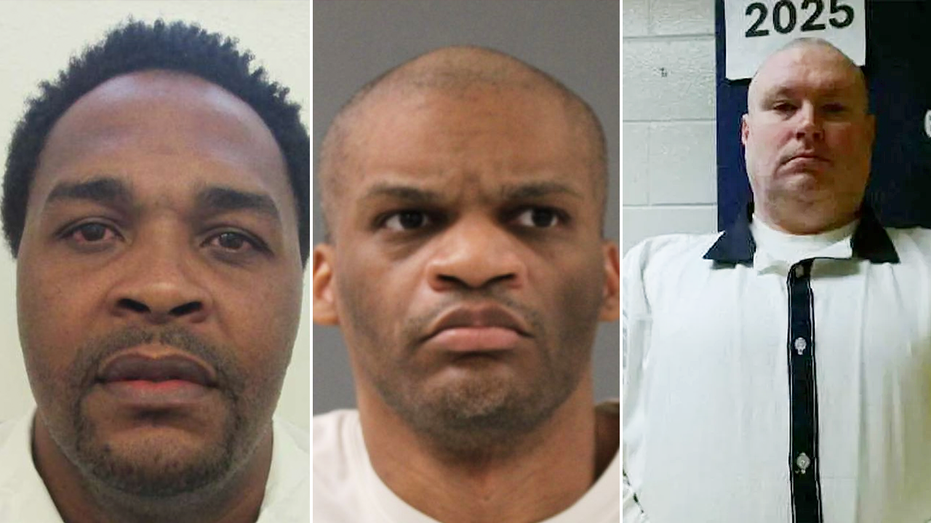
Multiple States Schedule Executions Within 24 Hours, A Rare Occurrence
Several U.S. states are poised to carry out multiple executions within a tight 24-hour window, a highly uncommon event in capital punishment.
Multiple U.S. states are scheduled to carry out executions within a 24-hour period, a convergence of capital punishment events described as "not very common." This concentrated timeframe for executions is a rare phenomenon in the United States, where the application of the death penalty has seen a decline in recent years.
The scheduling of several executions within such a short window highlights the varying paces at which different states proceed with capital punishment. Factors such as appeals, legal challenges, and the availability of lethal injection drugs can influence execution dates, making a cluster of executions within a single day a statistically infrequent occurrence.
While specific details regarding the individuals or the states involved were not disclosed in the provided source material, the concentration of these events underscores the ongoing debate surrounding capital punishment. Advocates for the death penalty often cite justice for victims and deterrence, while opponents raise concerns about potential wrongful convictions, the ethical implications of state-sanctioned killing, and the disproportionate application of the death penalty.
The implications of these scheduled executions extend beyond the individuals involved. They bring renewed attention to the legal and moral questions surrounding the death penalty in the United States. As the nation grapples with these issues, the scheduling of multiple executions in close proximity serves as a stark reminder of the persistent role of capital punishment in the American justice system.
Historically, the number of executions carried out annually in the U.S. has been on a downward trend. Data from organizations that track the death penalty shows a significant decrease from its peak in the late 1990s. This decline is attributed to a variety of factors, including evolving public opinion, increased awareness of exonerations, and legal challenges to the methods and application of capital punishment.
Reactions to the news of multiple executions being scheduled within a short period often vary widely. Supporters of capital punishment may view it as a necessary step in delivering justice, while death penalty abolitionists will likely see it as an opportunity to highlight the perceived injustices and inefficiencies of the system.
Experts in criminal justice and law have frequently pointed to the complexity of the death penalty appeals process. This intricate legal framework, designed to prevent errors, often leads to lengthy delays between sentencing and execution, making a 24-hour window for multiple executions an outlier. The availability of lethal injection drugs has also become a significant logistical hurdle for states seeking to carry out executions.
Unresolved questions often surround the specific circumstances of each case, the legal avenues remaining for the condemned, and the broader societal implications. The convergence of these events prompts ongoing discussions about the future of capital punishment in the U.S., its fairness, and its ultimate efficacy as a form of punishment.
This article was written by AI based on publicly available news reporting. Original reporting by the linked source.