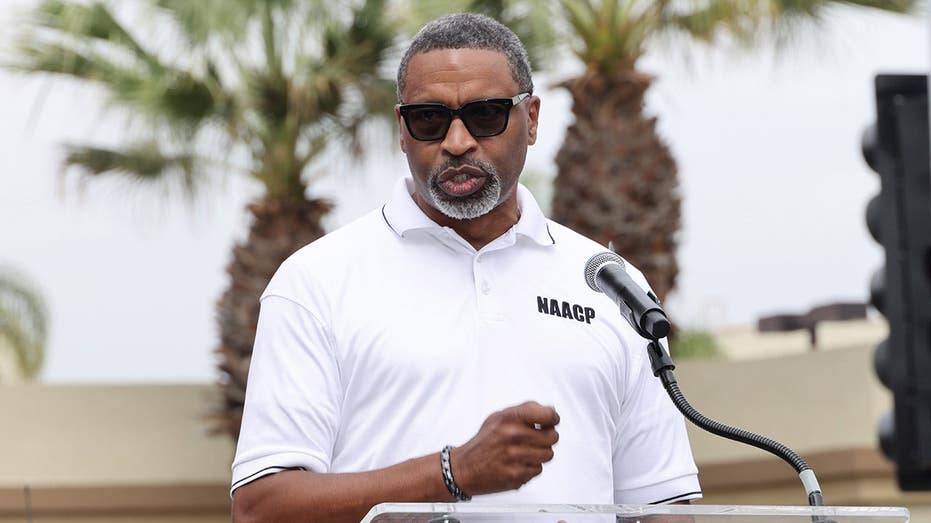
NAACP Urges Black Athletes to Boycott SEC, ACC Schools
The NAACP is calling for Black athletes to boycott powerhouse SEC and ACC athletic programs, escalating sports-as-politics pressure.
The National Association for the Advancement of Colored People (NAACP) has issued a call for Black athletes to boycott athletic programs within the Southeastern Conference (SEC) and the Atlantic Coast Conference (ACC). This action represents a significant escalation in the organization's use of sports as a platform for political pressure, targeting major collegiate athletic powers.
The boycott request is reportedly tied to broader political objectives, with the NAACP aiming to leverage the influence of student-athletes and their athletic departments. The specific demands or reasons behind this latest campaign have not been fully detailed, but the move signals a strategic effort to exert pressure on institutions and potentially influence policy decisions.
Details emerging suggest that the Congressional Black Caucus (CBC) previously threatened to oppose federal Name, Image, and Likeness (NIL) legislation. This opposition was contingent on athletic conferences actively fighting redistricting efforts. The NAACP's current stance appears to align with or build upon these previous political maneuvers.
This latest development places prominent collegiate athletic conferences, which often serve as feeder systems for professional leagues, in a difficult position. The potential impact on recruiting, athlete participation, and institutional reputation within these highly competitive conferences is significant. The NAACP's strategy highlights the increasing intersection of sports, activism, and political advocacy.
The SEC and ACC are among the most dominant conferences in college sports, particularly in football and basketball, attracting top talent and generating substantial revenue. Any boycott by Black athletes, who represent a significant portion of the student-athlete population in many of these sports, could have a considerable financial and competitive impact.
This is not the first time the NAACP has engaged in activism related to sports. In the past, the organization has called for boycotts of states or events perceived as discriminatory. This current action, however, targets specific athletic conferences, indicating a refined strategy to apply pressure directly to institutions deeply embedded in the college sports ecosystem.
Reactions from the involved conferences, universities, and athletic departments are anticipated, as are responses from athletes, coaches, and fans. The long-term implications for college athletics, athlete activism, and the broader landscape of sports-as-politics remain to be seen.
Further information is expected regarding the NAACP's specific demands and the timeline for this proposed boycott, as well as the potential ramifications for athletes who choose to participate or not participate.
This article was written by AI based on publicly available news reporting. Original reporting by the linked source.