NASA Activates First New Wind Tunnel in Over 80 Years
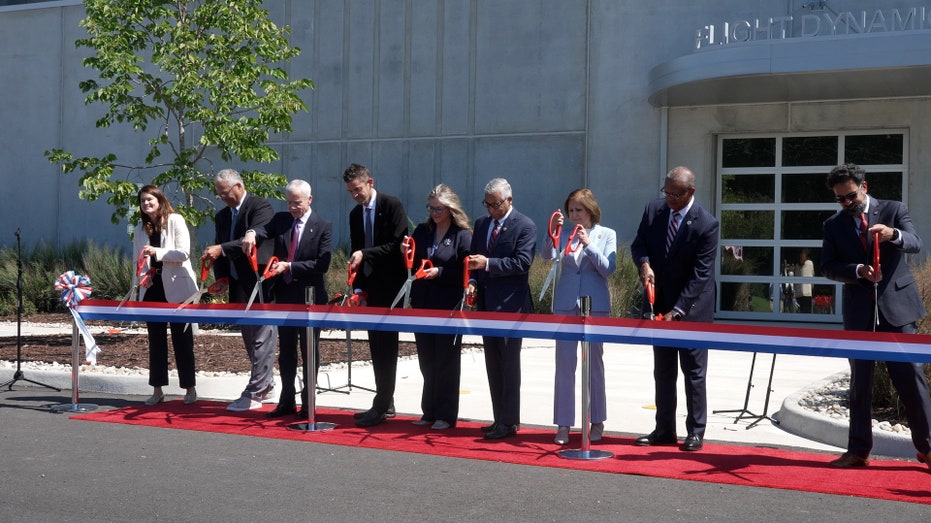
NASA opened its first major new wind tunnel in over 80 years at its Langley Research Center in Virginia, enhancing aerospace research capabilities.
NASA has officially activated its first major new wind tunnel in more than 80 years, a significant advancement for its aerospace research capabilities. The facility, located at the agency’s Langley Research Center in Virginia, is set to revolutionize how aircraft and spacecraft designs are tested and validated.
This state-of-the-art wind tunnel represents a substantial investment in the future of aeronautics and space exploration. Its development addresses the need for more advanced testing environments capable of simulating a wider range of atmospheric conditions and flight speeds, crucial for developing next-generation aerospace technologies.
The new facility is designed to accommodate larger and more complex test articles, allowing engineers to gather more precise data. Officials highlighted that the tunnel will enable the testing of vehicles at speeds from subsonic to supersonic, providing critical insights for both commercial aviation and deep space missions.
The activation of this wind tunnel is expected to accelerate the pace of innovation in aerospace. By offering enhanced testing capabilities, NASA aims to reduce development timelines and costs for new aircraft designs, improving fuel efficiency and reducing emissions.
Historically, NASA's wind tunnel capabilities have been instrumental in the development of numerous iconic aircraft and spacecraft. The last major new wind tunnel at Langley was commissioned in the 1930s, underscoring the long-awaited nature of this technological upgrade. The current facility will complement existing infrastructure, offering new avenues for research.
Aerospace engineers and researchers have expressed enthusiasm about the potential of the new tunnel. The ability to conduct more detailed and varied tests is anticipated to lead to breakthroughs in areas such as hypersonic flight, advanced propulsion systems, and quieter, more efficient aircraft for civilian use.
NASA plans to utilize the new wind tunnel for a variety of research projects, including studies on advanced air mobility, next-generation commercial airliners, and technologies for future space missions. The data gathered will be crucial for ensuring the safety, performance, and efficiency of aerospace vehicles.
While the immediate benefits are clear, the long-term implications include fostering a new era of aerospace innovation and maintaining U.S. leadership in aeronautics. The facility will also serve as a valuable resource for academic institutions and private industry partners, promoting collaboration and knowledge sharing within the aerospace community.
This article was written by AI based on publicly available news reporting. Original reporting by the linked source.