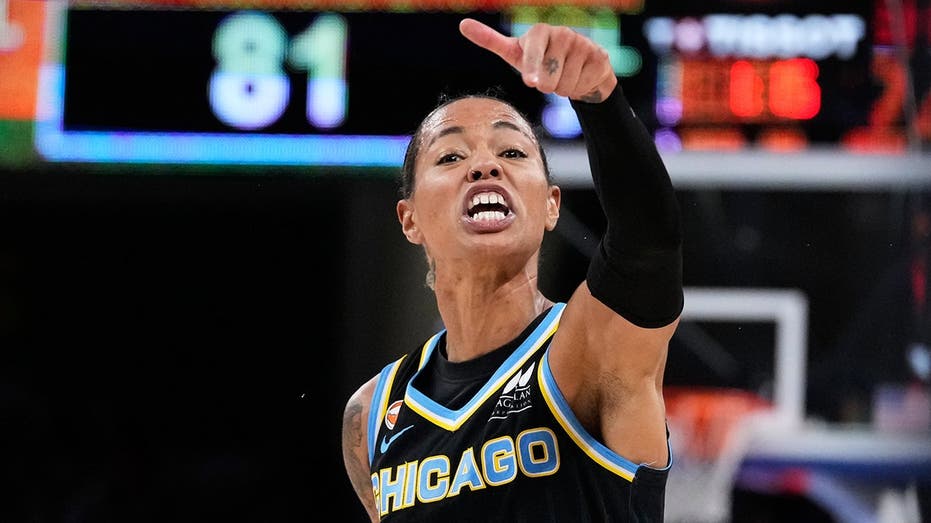
Natasha Cloud addresses threats, avoids naming Enes Kanter Freedom post-ejection
WNBA player Natasha Cloud spoke on an ejection incident, focusing on threats to women and children without naming Enes Kanter Freedom.
Washington Mystics guard Natasha Cloud addressed her recent ejection from a game, focusing on the broader issue of threats and harassment without directly naming former NBA player Enes Kanter Freedom.
Cloud was ejected from a game against the Indiana Fever on August 28, 2026, following an incident that involved Kanter Freedom. In her first public comments since the confrontation, Cloud chose to emphasize her concerns about the safety of women and children, rather than engaging directly with Kanter Freedom.
The WNBA player stated that the incident highlighted a concerning trend of hostility and threats directed towards women and children. She expressed her commitment to protecting vulnerable individuals and ensuring a safe environment for everyone, particularly in the context of professional sports.
Cloud's decision to pivot the conversation towards these larger societal issues suggests a strategic approach to address the underlying problems she perceives without amplifying the individual involved in her ejection. Her comments aim to draw attention to the importance of respect and safety, framing the incident as a symptom of a wider concern.
While the specific details of the confrontation leading to Cloud's ejection were not elaborated upon in her statement, the focus remained on the alleged behavior of Kanter Freedom, who has been vocal on various social and political issues. Cloud's remarks indicated that the situation involved "threats and harassment" directed at women and children.
This approach by Cloud contrasts with a more direct confrontation with Kanter Freedom. Instead, she appears to be using the incident as a platform to advocate for a safer and more respectful environment, particularly for female athletes and their families.
The incident has sparked discussion within sports circles about the boundaries of fan interaction and the responsibilities of public figures, both athletes and commentators. Cloud's measured response aims to redirect this discussion toward issues of safety and respect.
Cloud's stance underscores a broader conversation about the impact of public discourse and the need for civility, especially when it involves threats or harassment directed at any individual, with a particular emphasis on protecting women and children.
This article was written by AI based on publicly available news reporting. Original reporting by the linked source.