NATO Jet Scrambled Over Lithuania for Birds, Not Drones
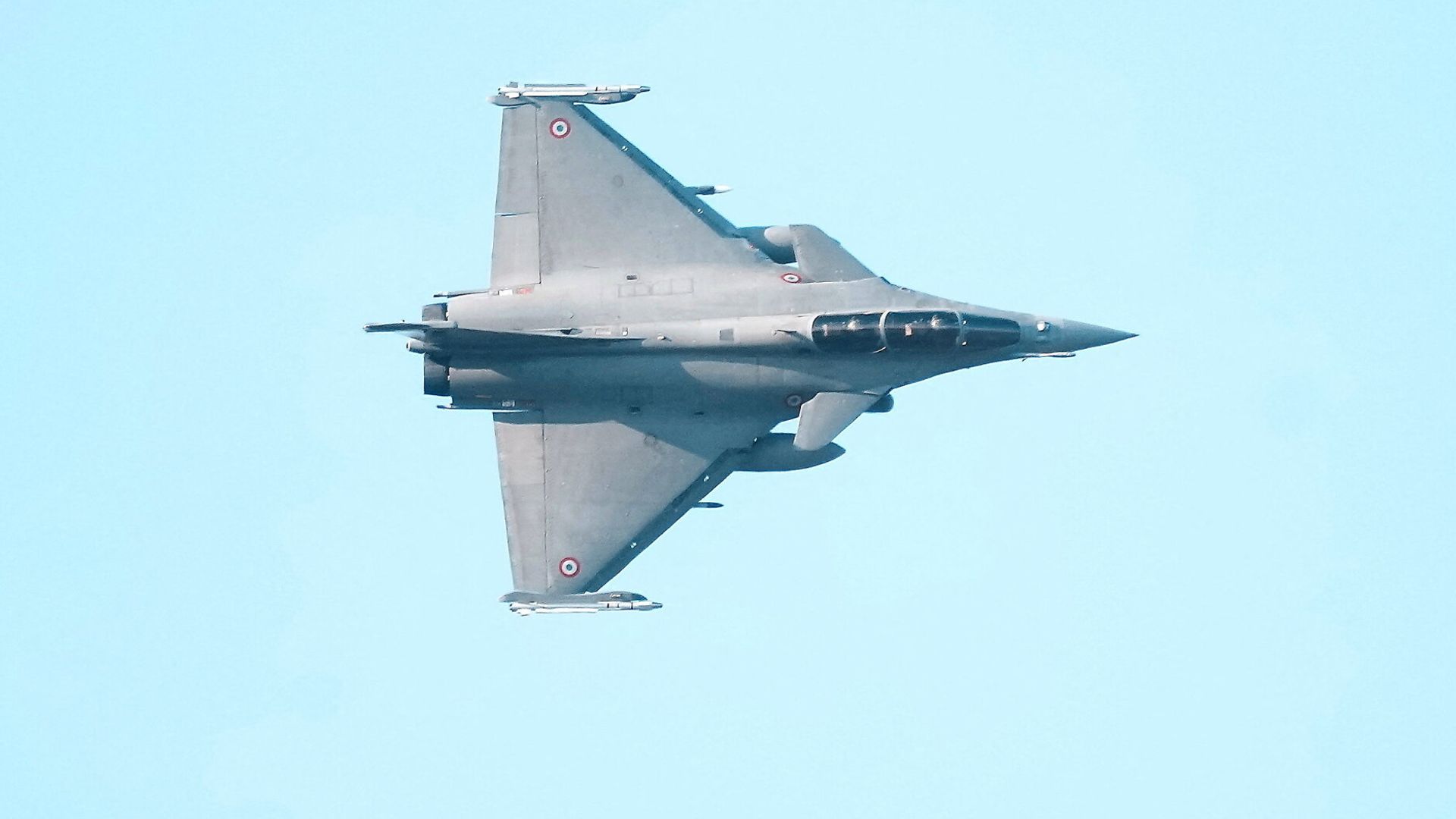
A NATO fighter jet responded to a suspected drone in Lithuania, only to discover it was a flock of birds.
A NATO fighter jet was scrambled over Lithuanian airspace on [Date of Incident, if available] following reports of a potential drone sighting. The rapid response, designed to investigate and neutralize any perceived aerial threat, concluded with the unexpected identification of the 'intruder' as a flock of birds.
This incident highlights the ongoing vigilance maintained by NATO forces in Eastern Europe, particularly in the Baltic region, which has seen increased military activity and heightened geopolitical tensions. The quick deployment of air assets underscores the alliance's commitment to safeguarding its member states' territorial integrity.
While the specific type of NATO fighter jet and the exact location within Lithuania were not disclosed, the mission was initiated to address a potential breach of airspace. Upon reaching the reported location, however, the crew determined that the radar signature and visual identification corresponded to a group of birds, not an unmanned aerial vehicle.
The incident, though ultimately benign, serves as a reminder of the sensitive security environment in the region. NATO's Combined Air Operations Centre (CAOC) in Uedem, Germany, is responsible for coordinating air policing missions across the Baltic states, which do not have their own fighter jet capabilities. This routine but crucial task involves monitoring and responding to airspace violations.
Such scrambles, while often precautionary, are a standard procedure for NATO's air policing missions. They ensure that any unidentified or potentially hostile aircraft are investigated promptly. In this case, the swift action prevented any lingering uncertainty about the nature of the airborne object.
While the mistaken identity was with birds, the readiness of NATO forces remains a key deterrent. The alliance continually monitors its borders and airspace for any threats, adapting its strategies and operations to the evolving security landscape.
Officials have not commented on the specific operational details beyond confirming the nature of the sighting. The incident is expected to be reviewed internally as part of standard operational procedures, ensuring that identification protocols are as effective as possible.
This event, while minor in its outcome, reflects the constant state of alert maintained by NATO forces in response to a complex geopolitical climate. The focus remains on ensuring the collective security of all member nations.
This article was written by AI based on publicly available news reporting. Original reporting by the linked source.