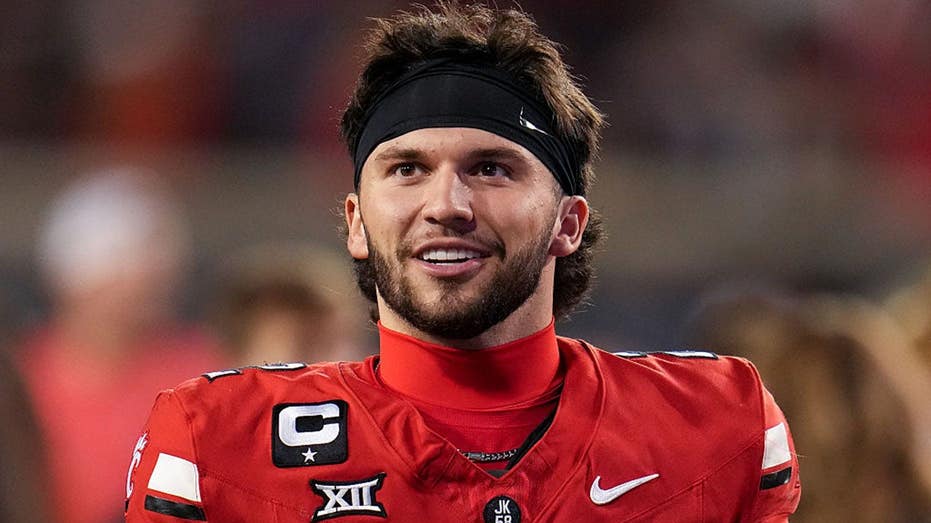
NCAA Appeals Sorsby Injunction, NCAA Seeks All 4 Appellate Judges
The NCAA is appealing a preliminary injunction, seeking all four appellate judges to review the case involving Texas Tech's Brendan Sorsby.
The National Collegiate Athletic Association (NCAA) has initiated an appeal against a preliminary injunction that previously favored Texas Tech student-athlete Brendan Sorsby. The organization is seeking the involvement of all four appellate judges in the review of this significant case.
This legal maneuver by the NCAA underscores the importance and potential ramifications of the Sorsby injunction. The outcome of this appeal could set a precedent for how the NCAA handles similar legal challenges regarding athlete eligibility and compensation in the future.
Details surrounding the specific grounds for the NCAA's appeal remain under review. However, the decision to involve the full appellate bench signals a strong commitment from the NCAA to contest the injunction. Legal analysts suggest the NCAA aims to prevent a piecemeal legal process and ensure a comprehensive examination of the case's broader implications.
The appeal process means the legal battle is far from over. The NCAA's action indicates its intent to vigorously defend its rules and regulations against challenges that could fundamentally alter its operational framework.
This case is part of a larger ongoing legal confrontation between collegiate athletes and the NCAA concerning Name, Image, and Likeness (NIL) rights and other aspects of athlete compensation and eligibility. The Sorsby injunction, if upheld or overturned, will have a considerable impact on these discussions.
Supporters of the injunction argue it is a necessary step towards modernizing NCAA rules to align with current athlete rights. Conversely, the NCAA has expressed concerns about maintaining competitive balance and the integrity of collegiate sports under potential new frameworks.
The precise timeline for the appellate review has not yet been established. Both sides are expected to present their arguments in the coming months, with the full appellate court's decision carrying substantial weight.
As the legal proceedings unfold, the collegiate sports landscape remains in a state of flux, with this case being a pivotal point in the ongoing evolution of athlete rights and NCAA governance.
This article was written by AI based on publicly available news reporting. Original reporting by the linked source.