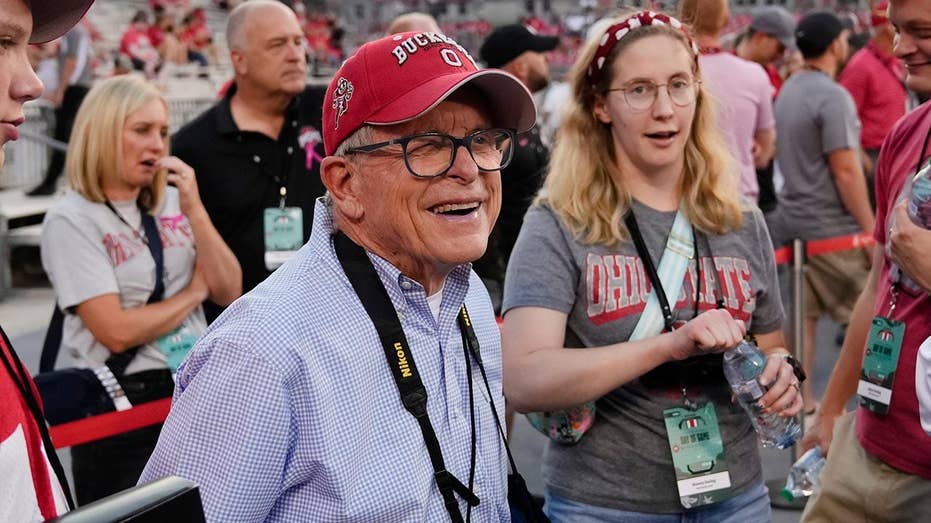
NCAA Blocks Ohio Governor's Order on College Athlete Eligibility Expansion
The NCAA is suing to block an Ohio executive order allowing Class of '22 athletes a fifth year of eligibility, citing competitive balance concerns.
The National Collegiate Athletic Association (NCAA) has filed a federal lawsuit seeking to block an executive order issued by Ohio Governor Mike DeWine. The order, signed into effect on October 16, 2026, would permit college athletes from the Class of 2022 to participate in a fifth season of eligibility.
The NCAA argues that allowing these athletes an additional year of play, beyond the standard four, disrupts competitive balance across college sports. The organization contends that such an expansion could create unfair advantages for teams with athletes who benefit from the extended eligibility, potentially impacting conference and national championships.
Governor DeWine's executive order was intended to provide relief to student-athletes who experienced disruptions to their collegiate careers due to the COVID-19 pandemic. Many athletes had their seasons shortened or canceled, and the order aimed to give them an opportunity to complete their eligibility as originally planned.
This legal challenge highlights the ongoing tension between state-level attempts to manage college athletics and the NCAA's established governance structure. The lawsuit's outcome could have significant implications for how states can legislate on matters of collegiate sports eligibility and potentially set a precedent for future interventions.
NCAA President Charlie Baker has been vocal about the challenges facing college sports, including the complexities surrounding Name, Image, and Likeness (NIL) deals and the need for consistent national regulations. The organization has expressed concerns that disparate state laws and executive orders could fragment the collegiate sports landscape, making uniform policy enforcement difficult.
The lawsuit's filing in federal court signifies the NCAA's commitment to maintaining its authority over eligibility rules. The organization's legal team will likely argue that state-level mandates infringe upon the NCAA's ability to govern its member institutions uniformly and ensure fair competition.
Supporters of Governor DeWine's order argue that it is a necessary measure to support student-athletes who lost valuable playing time. They may contend that the NCAA's stance is out of touch with the realities faced by athletes during the pandemic and that individual states should have the flexibility to address specific circumstances affecting their institutions.
As the legal proceedings unfold, college athletic departments in Ohio and potentially other states watching this case will be monitoring the situation closely. The resolution of this lawsuit could influence future decisions regarding athlete eligibility and the balance of power between collegiate athletic associations and state governments.
This article was written by AI based on publicly available news reporting. Original reporting by the linked source.