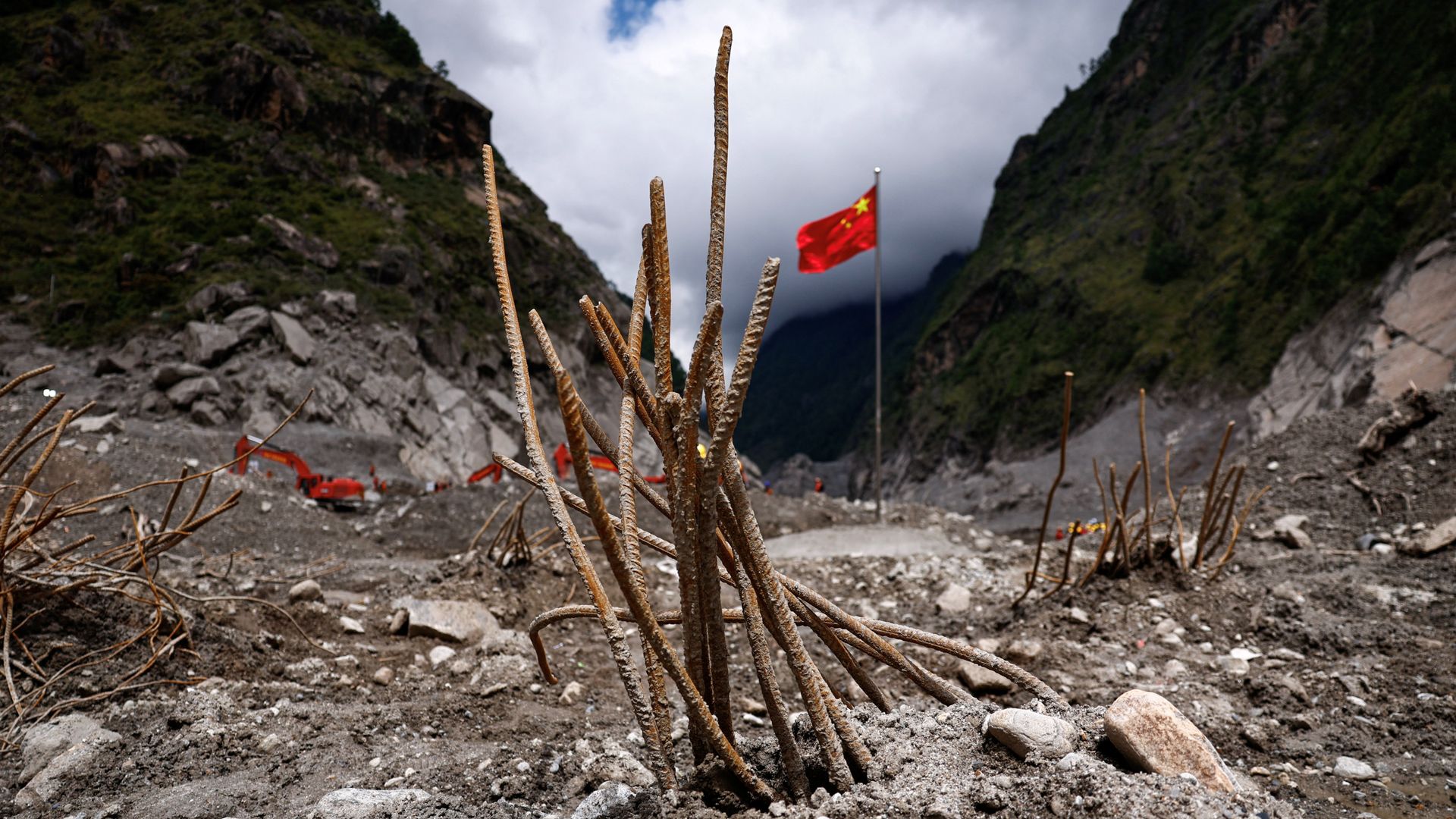
China Confirms 43 Dead, 519 Missing After Nepal and Tibet Floods
China has confirmed 43 fatalities and 519 missing individuals in Nepal and Tibet following recent flash floods.
China has officially confirmed that 43 people have died and 519 remain missing after devastating flash floods struck Nepal and the Tibet Autonomous Region over a week ago. The confirmation from Chinese authorities details the significant human toll resulting from the severe weather event that impacted the transboundary region.
The disaster underscores the vulnerability of communities in areas prone to extreme weather, particularly those situated in mountainous terrains and along river systems. The scale of the loss highlights the destructive power of flash floods, which can rapidly inundate villages and infrastructure, leading to widespread casualties and displacement.
While the exact number of casualties in Nepal and Tibet has been a subject of ongoing assessment since the floods occurred, China's confirmation provides a definitive, albeit grim, update. The figures released by Chinese officials represent the latest official count of those confirmed dead and those still unaccounted for, indicating a substantial number of affected individuals.
The implications of these floods extend beyond the immediate loss of life and missing persons. Significant damage to infrastructure, homes, and agricultural land is expected, potentially requiring extensive recovery and reconstruction efforts. The cross-border nature of the disaster also necessitates coordinated responses between Nepal and China to address the aftermath and prevent future occurrences.
Reports from the affected regions indicate that rescue and recovery operations have been ongoing since the initial deluge. However, the challenging terrain and the sheer scale of the flooding have complicated efforts to locate all missing individuals. Authorities have been working to assess the full extent of the damage and provide assistance to survivors.
Experts have long warned about the increasing frequency and intensity of extreme weather events in the Himalayas, attributing this trend to climate change. Flash floods, landslides, and glacial lake outburst floods (GLOFs) pose significant threats to populations and ecosystems in the region. This recent event serves as a stark reminder of these growing risks.
The number of missing persons, 519, suggests that the final death toll could potentially rise as search efforts continue. Families of those missing are awaiting news, adding to the emotional and social impact of the disaster. The long-term consequences for the affected communities, including economic disruption and psychological trauma, will require sustained support.
Further details regarding the specific locations within Nepal and Tibet most affected, as well as the breakdown of casualties between the two regions, are expected to emerge as more information becomes available. The focus remains on search and rescue, recovery, and providing aid to those impacted by this tragic event.
This article was written by AI based on publicly available news reporting. Original reporting by the linked source.