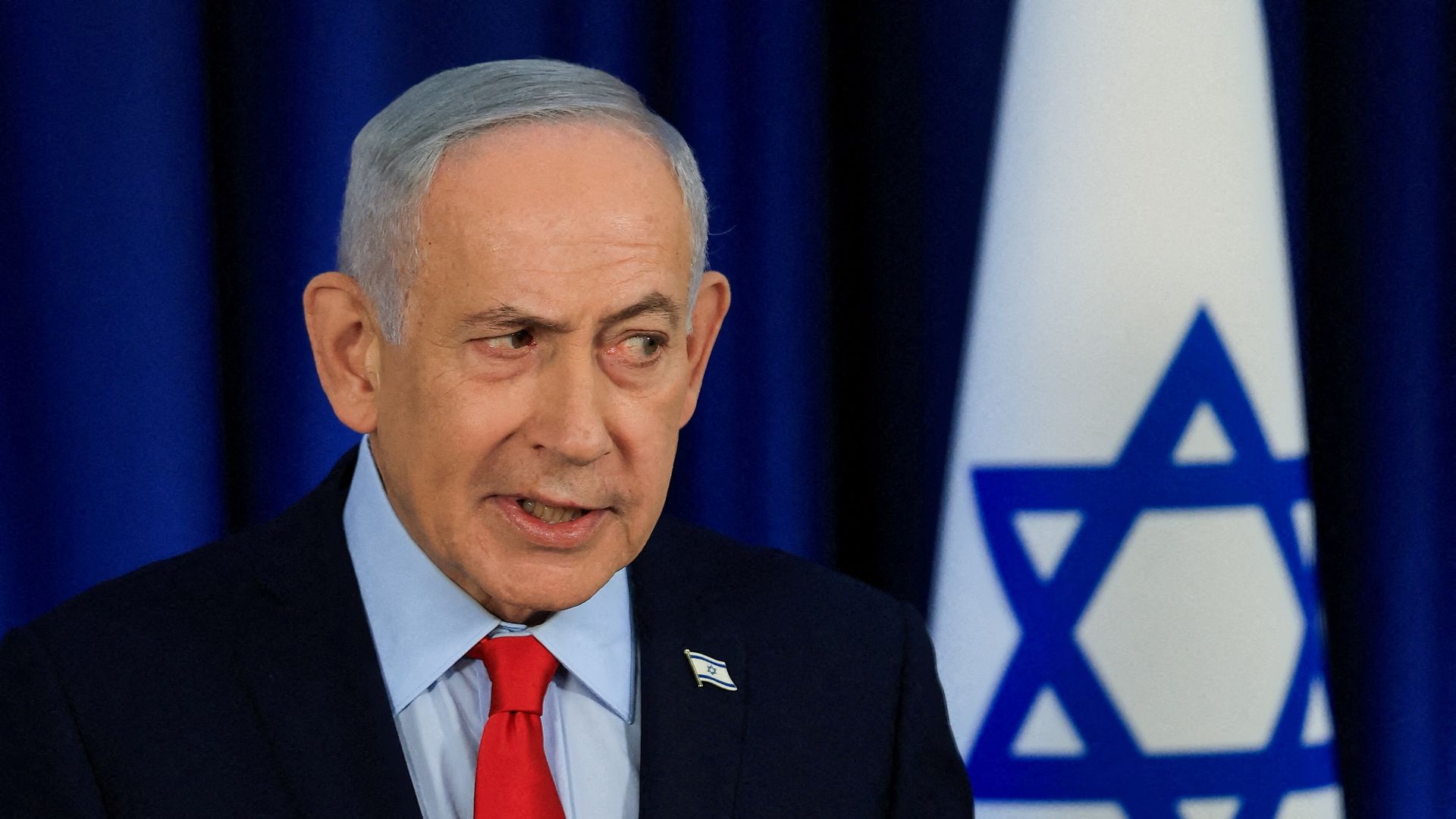
Netanyahu Declares Israel Will Control 70% of Gaza
Prime Minister Benjamin Netanyahu announced Israel's intention to expand its control over Gaza, aiming for 70% of the territory.
Israeli Prime Minister Benjamin Netanyahu stated that Israel is expanding its control over the Gaza Strip and intends to assume control of 70% of the enclave. The announcement signals a significant shift in Israel's post-conflict objectives for the Palestinian territory.
This declaration comes amid ongoing conflict and follows weeks of intense military operations in Gaza. The stated goal of increased Israeli control raises substantial questions about the future governance and sovereignty of Gaza.
Netanyahu's remarks, made in a context of discussing post-war scenarios, indicate a strategic reorientation. The prime minister has reportedly emphasized Israel's need for security control over the territory, even after military operations conclude.
The implications of such a move are far-reaching, potentially impacting regional stability, international relations, and the prospects for a future Palestinian state. Control over 70% of Gaza could signify a long-term Israeli presence and administration.
Details regarding the specific mechanisms or duration of this intended control have not been fully elaborated. However, the statement suggests a departure from previous Israeli policies regarding Gaza, which included a disengagement in 2005.
International reactions are likely to be varied and significant. Many global powers have advocated for a two-state solution and the establishment of an independent Palestinian state. An expanded Israeli territorial control could complicate these diplomatic efforts.
Analysts are closely watching for further clarification from the Israeli government and responses from Palestinian leadership and international bodies. The precise definition of "control" in this context remains a critical point of discussion.
The long-term security and humanitarian consequences for the population of Gaza under such a scenario are also key concerns that are expected to be addressed as the situation evolves.
This article was written by AI based on publicly available news reporting. Original reporting by the linked source.