New Law Targets Cuba's Forced Doctor Trafficking Program
A new law aims to penalize countries that utilize Cuban doctors in forced labor programs, targeting a significant revenue source for Cuba.
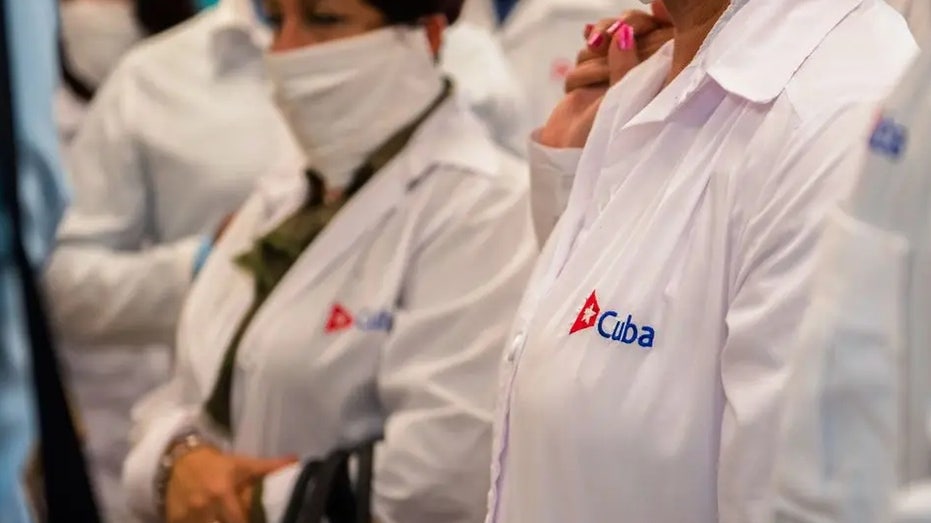
A bipartisan bill has been introduced in the U.S. House of Representatives aimed at curbing what lawmakers describe as Cuba's "forced labor" program involving its medical professionals. The legislation seeks to impose sanctions on countries that participate in or benefit from the Cuban government's practice of sending doctors abroad and allegedly withholding a substantial portion of their salaries.
U.S. Representative Mario Diaz-Balart, a key proponent of the bill, stated that the measure is designed to stop Cuba from "trafficking doctors for profit." The Cuban government has long deployed medical brigades to countries around the world, often as part of diplomatic agreements or in exchange for goods and services. Critics argue that these doctors are not volunteers and operate under duress, with their earnings largely confiscated by the Cuban state.
Supporters of the bill highlight reports suggesting that Cuban doctors deployed internationally often face restrictive conditions, limited communication, and the threat of repercussions against their families back home if they attempt to defect or complain. The legislation proposes to penalize foreign governments and entities that engage with Cuba's medical professional programs, potentially impacting diplomatic relations and international aid.
The implications of this law could be significant for both Cuba's economy, which relies heavily on remittances and export of services, and for the countries that host these medical missions. The U.S. government has previously imposed sanctions on Cuba, but this new legislative effort specifically targets the alleged exploitation within its international medical programs.
Lawmakers involved in drafting the bill have expressed determination to address what they view as a human rights issue. They cite testimonies and reports from international organizations that have documented the challenging circumstances faced by Cuban medical personnel working abroad. The bill's passage would require support from both chambers of Congress and the President's signature.
While the Cuban government has historically defended its medical internationalism as a humanitarian effort and a source of national pride and revenue, this legislative push in the U.S. aims to reframe it as a coercive practice. The bill's success could lead to a reassessment of medical cooperation agreements by countries that currently host Cuban doctors.
Further analysis of the bill's specific sanctions and enforcement mechanisms will be crucial in understanding its potential impact. Questions remain about how broadly the definition of "forced labor" will be applied and whether existing international agreements will be affected.
Experts in international relations and human rights are monitoring the situation closely, with some suggesting that such legislation could foster greater transparency and accountability in the deployment of medical professionals worldwide, while others caution about potential unintended consequences on global health initiatives.
This article was written by AI based on publicly available news reporting. Original reporting by the linked source.