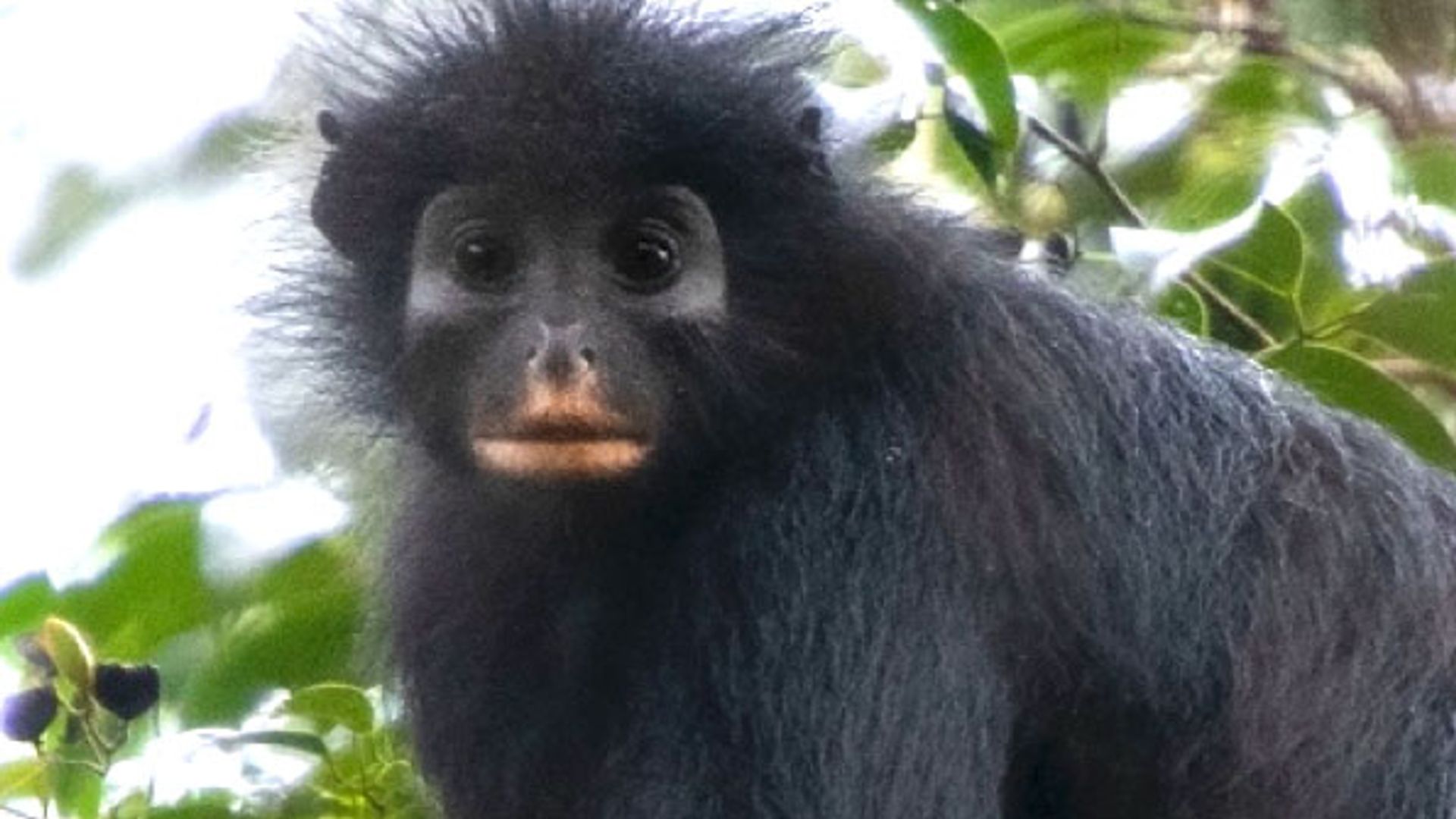
New 'Orange-Lipped' Monkey Species Found in Remote Congo Forests
Scientists have identified a new monkey species with bright orange lips in the Democratic Republic of Congo's dense forests.
A previously unknown species of monkey, distinguished by its striking orange lips, has been discovered deep within the forests of the Democratic Republic of Congo (DRC). The find marks a significant addition to the region's known biodiversity.
The discovery underscores the vast, unexplored wilderness areas that still exist within the DRC and highlights the importance of conservation efforts in these remote ecosystems. The region is known for its rich primate populations, but new species identification remains a rare and exciting event.
Researchers observed the monkey's unique coloration, particularly the vivid orange hue around its mouth, which set it apart from other known primate species. Initial observations suggest it is a medium-sized monkey, though further study is required to understand its diet, behavior, and exact taxonomic classification.
The identification of this new species is expected to draw further attention to the ecological importance of the Congo Basin, a critical global forest and biodiversity hotspot. Conservationists hope this discovery will bolster arguments for increased protection of these habitats against deforestation and other threats.
While details about the specific circumstances of the discovery are still emerging, the scientific community generally welcomes such findings as vital for understanding evolutionary processes and the planet's ecological health. Each new species identified offers unique insights into the intricate web of life.
Further research expeditions are anticipated to gather more comprehensive data on the new monkey's population size, genetic makeup, and ecological role. This will be crucial for determining its conservation status and developing appropriate protective measures.
Comparisons to other recently discovered primate species worldwide will likely be made as scientists work to place this new find within the broader context of primate evolution. The DRC's forests are known to harbor many endemic species, making them a prime location for continued biological exploration.
Questions remain regarding the monkey's specific range within the DRC and the potential threats it may face. The long-term survival of this newly identified species will depend heavily on the continued preservation of its natural habitat and ongoing scientific study.
This article was written by AI based on publicly available news reporting. Original reporting by the linked source.