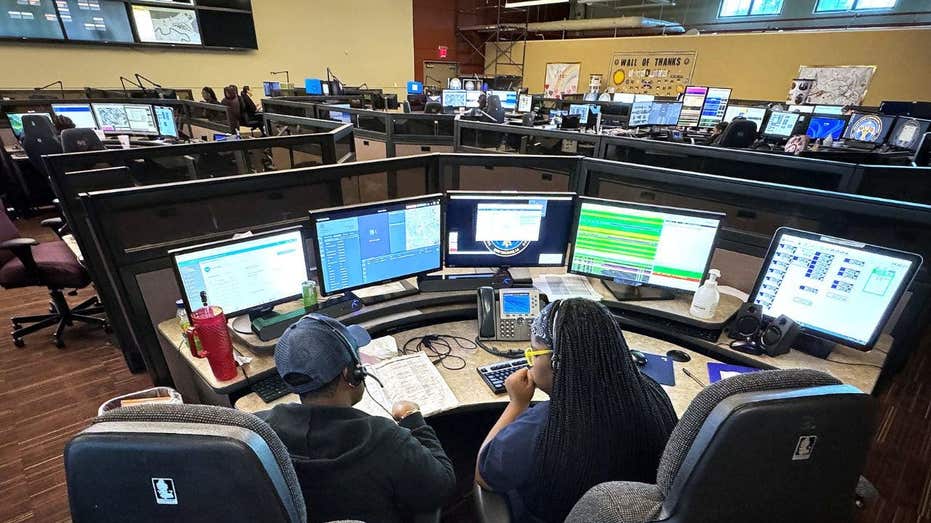
New Orleans 911 Pilot Uses AI to Triage Auto Crash Calls
New Orleans' 911 system is piloting an AI tool from Carbyne to automatically triage repeat auto crash calls, aiming for faster emergency response.
New Orleans is testing an artificial intelligence system to help manage its 911 emergency calls, specifically targeting repeat calls related to auto crashes. The pilot program utilizes technology from Carbyne, a company that provides AI-powered solutions for public safety.
The initiative aims to streamline the dispatch process for certain types of incidents, potentially leading to quicker response times for emergencies. By using AI to analyze and categorize incoming calls, particularly those involving recurring vehicle accidents, the system could free up human dispatchers to focus on more complex or critical situations.
This technology is designed to identify patterns and provide initial assessments of call severity. For a city like New Orleans, which experiences significant traffic and occasional severe weather events that can lead to accidents, improving the efficiency of the 911 system is a key concern. The AI is intended to act as a preliminary filter, prioritizing calls that require immediate human intervention.
The implications of this pilot extend beyond just efficiency. If successful, the AI could serve as a model for other cities looking to modernize their emergency response infrastructure. It represents a growing trend of integrating advanced technology into public safety operations to meet increasing demands and improve service delivery.
Carbyne's platform is known for its ability to handle various communication streams, including voice, text, and video, and to use AI for real-time analysis. In this specific application, the focus is on automatically categorizing repeat auto crash calls, which can sometimes be less urgent or require different protocols than other emergencies.
Officials hope that by offloading some of the initial triage work to AI, the 911 call center can operate more effectively. This could mean faster dispatch of police, fire, or medical services when needed, and a more organized workflow for the dispatchers themselves.
While the exact metrics for success in the pilot program have not been detailed, the general goal is to reduce call handling times for these specific types of incidents and improve the overall responsiveness of the emergency services. The program's performance will likely be closely monitored to determine its effectiveness and potential for broader implementation.
This move aligns with a global push to leverage AI in public services to enhance operational capabilities and citizen safety. The success of this New Orleans pilot could encourage similar adoptions across the nation, marking a significant step in the modernization of emergency communication systems.
This article was written by AI based on publicly available news reporting. Original reporting by the linked source.