New York Declares State of Emergency Amid Measles Outbreak
New York has declared a state of emergency due to a significant increase in measles cases, prompting urgent public health measures.
New York Governor Kathy Hochul has declared a state of emergency in response to a concerning surge in measles cases across the state. The declaration aims to bolster efforts to contain the outbreak and prevent further spread of the highly contagious disease.
The state of emergency empowers health officials to take more aggressive actions to combat the rising number of infections. Measles, a preventable disease, has seen a resurgence in various communities, raising alarms among public health experts and officials.
The governor's office cited a substantial increase in reported cases as the primary driver for the emergency declaration. While specific figures were not detailed in the initial announcement, the move signals the severity of the situation and the urgent need for intervention. Public health campaigns emphasizing vaccination are expected to be intensified.
This declaration allows for greater coordination between state and local health departments and potentially frees up resources to address the outbreak more effectively. It underscores the potential public health crisis posed by declining vaccination rates and the re-emergence of once-controlled infectious diseases.
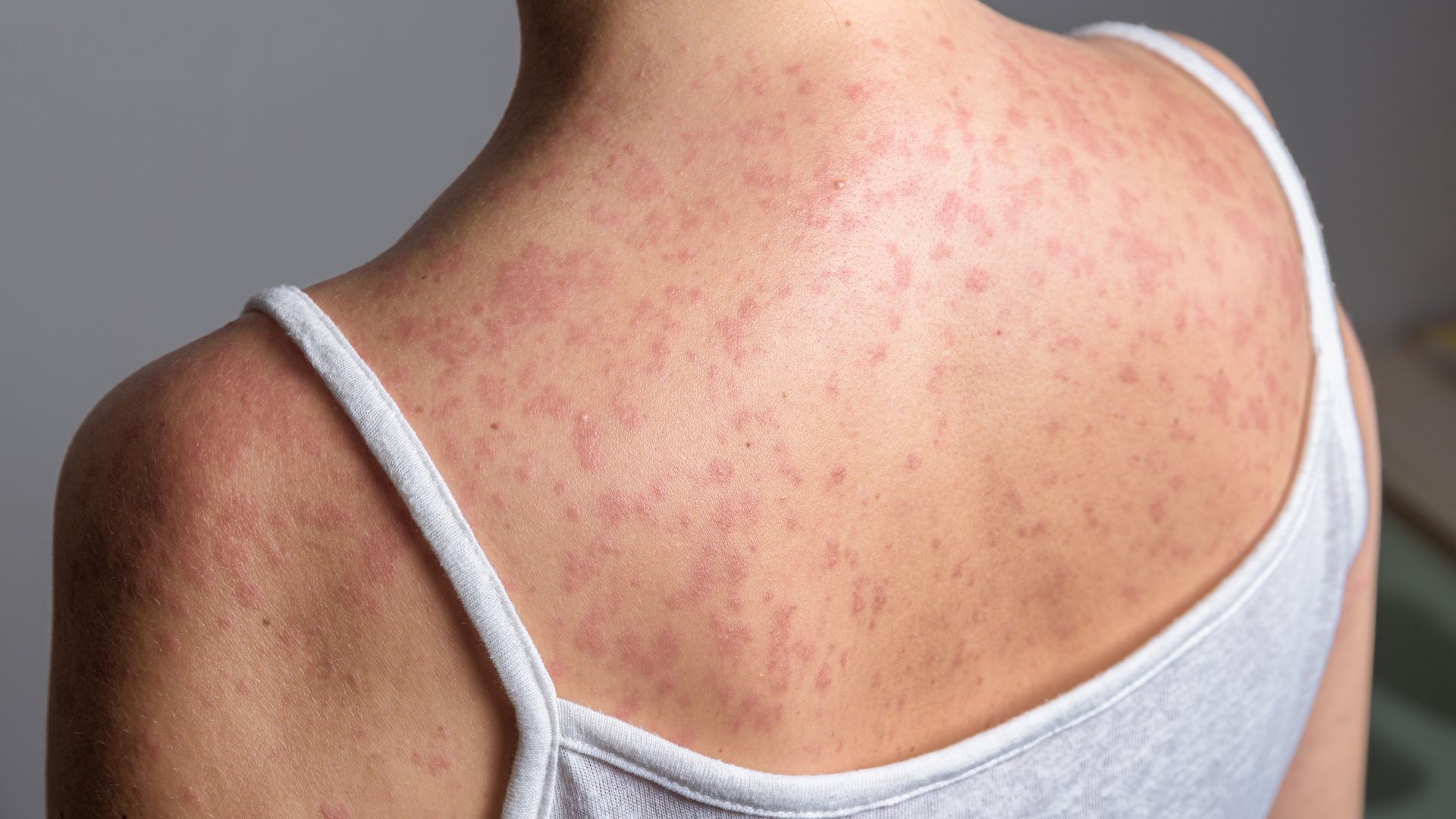
Measles is known for its rapid transmission, spreading through respiratory droplets when an infected person coughs or sneezes. Symptoms typically include fever, cough, runny nose, and a characteristic rash. While most people recover, measles can lead to serious complications, particularly in young children, including pneumonia, encephalitis (swelling of the brain), and even death.
Public health officials have consistently highlighted the importance of vaccination as the most effective way to prevent measles. The measles, mumps, and rubella (MMR) vaccine is highly effective and has been instrumental in dramatically reducing measles cases globally since its introduction. However, outbreaks can occur in communities with lower vaccination coverage.
The state of emergency is expected to facilitate easier access to vaccination services and potentially implement stricter measures in affected areas to curb transmission. Authorities are urging residents, especially those who are unvaccinated or whose vaccination status is unknown, to get vaccinated promptly.
Further details on the specific measures to be implemented under the state of emergency are anticipated to be released by the governor's office and the New York State Department of Health. The focus remains on protecting vulnerable populations and restoring herd immunity to prevent future outbreaks.
This article was written by AI based on publicly available news reporting. Original reporting by the linked source.