NHS offers new ovarian cancer drug, extending lives by nearly 4 months
A new NHS drug, mirvetuximab soravtansine, is giving ovarian cancer patients more time and a better quality of life.
A breakthrough drug for ovarian cancer, offering patients more time and a significantly better quality of life, is now available on the NHS in England. The treatment, known as mirvetuximab soravtansine, is being hailed as a "game changer" by patients who have experienced debilitating side effects from conventional chemotherapy.
This new therapy represents the first advancement for hard-to-treat ovarian cancer in two decades. It functions as a "biological missile," selectively delivering chemotherapy directly to cancerous tissue while minimizing exposure to the rest of the body. This targeted approach aims to reduce the severe side effects commonly associated with traditional chemotherapy, such as fatigue and nausea.
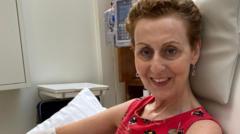
Up to 400 patients annually in England are expected to benefit from this new treatment. Patricia Hill, a 64-year-old patient from north London, described the difference as "like night and day" since starting mirvetuximab in January. She stated the therapy has "given her a lot of my life back," allowing her to engage in activities like visiting family and attending theatre performances, which were previously impossible.
The drug not only improves the quality of life but also extends survival rates. On average, patients treated with mirvetuximab soravtansine lived 16.5 months, compared to 12.8 months with conventional chemotherapy. Crucially, patients report retaining their hair and experiencing less fatigue and sickness, enabling them to enjoy a fuller life.
Mirvetuximab soravtansine is an advanced form of chemotherapy that delivers a more potent dose directly to cancer cells. It is constructed by fusing a chemotherapy drug to an antibody. These specially designed antibodies are engineered to recognize a specific marker, folate receptor alpha, found on the surface of certain ovarian cancer cells. Once attached, the antibodies are absorbed by the cancer cells, releasing their toxic payload to destroy them.
This targeted delivery system significantly reduces the systemic toxicity of chemotherapy. For patients like Patricia, this means being able to enjoy outings such as attending the Chelsea Flower Show and visiting family in Ireland, activities that were once out of reach due to the harsh side effects of previous treatments. She noted that the drug "opens up a lot of possibilities."
The treatment is administered via a drip every three weeks, a less frequent schedule than the weekly infusions typically required for conventional chemotherapy. This change in administration alone contributes to a better patient experience and potentially fewer interruptions to daily life.
With nearly 7,750 cases of ovarian cancer diagnosed in the UK each year, the introduction of mirvetuximab soravtansine offers a much-needed new option for patients with difficult-to-treat forms of the disease, promising not just extended life but also a more comfortable and active one.
This article was written by AI based on publicly available news reporting. Original reporting by the linked source.