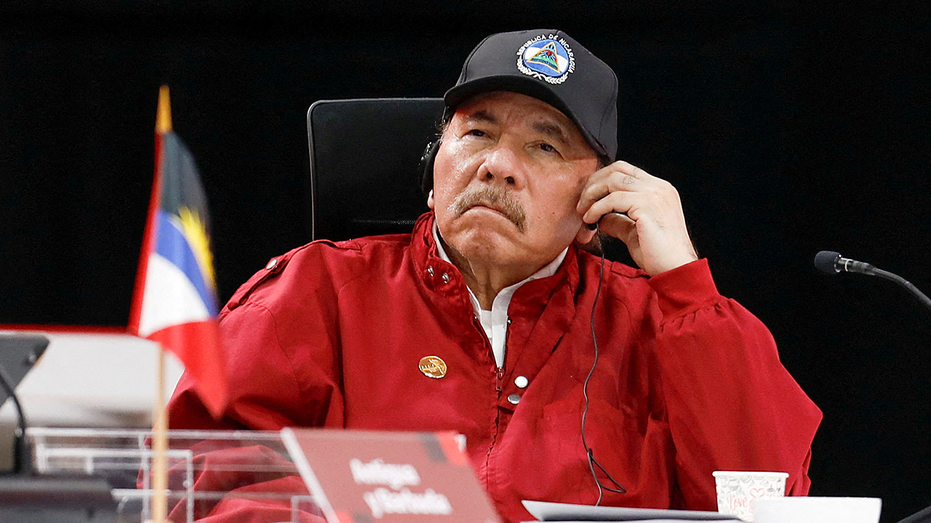
Nicaragua Parliament Moves to Abolish Elections Under President Ortega
Nicaragua's parliament plans to eliminate elections, effectively codifying President Ortega's declaration and ending democratic processes.
Nicaragua's National Assembly has initiated a move to abolish elections, a significant step toward consolidating President Daniel Ortega's rule. The proposed legislation aims to eliminate the country's electoral system, a move seen by critics as a direct attempt to end democratic processes and solidify the current government's power.
This development follows President Ortega's earlier declaration that elections were no longer necessary. The proposal by the ruling Sandinista party-dominated legislature signals a formalization of this stance, raising concerns about the future of democratic governance in the Central American nation. The current government has faced widespread international condemnation for human rights abuses and suppression of dissent.
The legislative initiative, if passed, would dismantle the existing electoral framework. Details of the proposed new system, or how political representation would function without elections, remain unclear. The move is expected to further isolate Nicaragua internationally, with many democratic nations already imposing sanctions on the Ortega administration.
This legislative action is likely to intensify opposition calls for democratic reforms and increase pressure from international bodies and foreign governments. The implications extend beyond Nicaragua's borders, potentially influencing regional stability and the broader discourse on democracy in Latin America.
President Ortega, who has been in power for over a decade in his current term, has been accused by human rights organizations of orchestrating a crackdown on opposition and civil society. Critics argue that the proposed elimination of elections is the latest in a series of actions designed to entrench his government and silence any form of political opposition.
The move has drawn sharp criticism from opposition groups and international observers. They view the abolition of elections as a final blow to any semblance of democratic practice in Nicaragua. Concerns have been raised about the potential for further human rights violations and the erosion of fundamental freedoms.
Historically, Nicaragua has experienced periods of political instability and authoritarian rule. The current trajectory under President Ortega appears to be moving further away from democratic norms, prompting comparisons to other nations that have seen electoral processes sidelined or manipulated to maintain power.
It remains to be seen how the international community will respond to this definitive legislative step. The United States and the European Union have previously imposed sanctions on Nicaraguan officials. The proposed elimination of elections is expected to prompt further diplomatic action and potentially more stringent economic measures against the government.
This article was written by AI based on publicly available news reporting. Original reporting by the linked source.