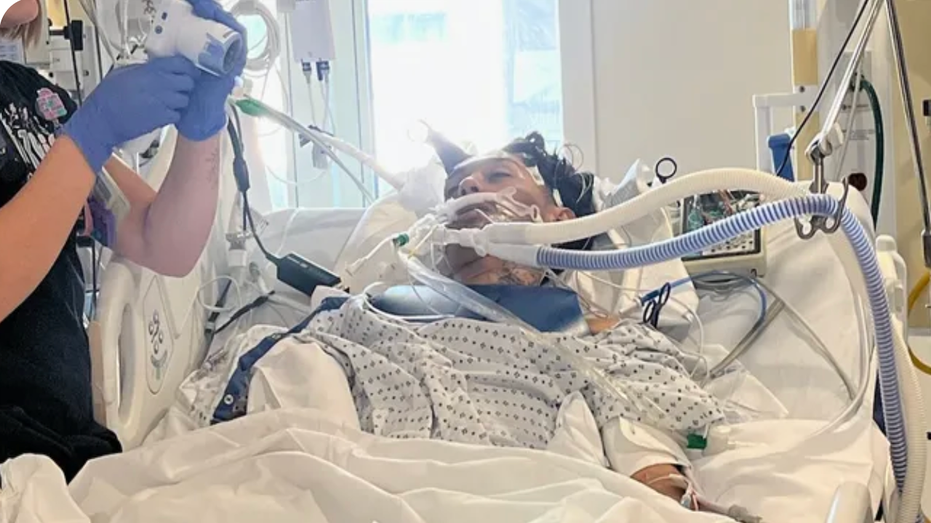
North Carolina Teen Dies from Brain-Eating Amoeba Days After Another Child's Death
A North Carolina teenager has died from a rare brain-eating amoeba infection, mirroring the recent death of a young girl from the same organism.
A teenager in North Carolina has died from a rare and devastating infection caused by the brain-eating amoeba, Naegleria fowleri. The death, which occurred recently, follows closely on the heels of another fatality from the same organism involving a young girl, raising concerns about the rare pathogen.
Naegleria fowleri is a free-living microscopic amoeba found in warm freshwater, such as lakes, rivers, and hot springs. In extremely rare cases, it can cause a primary amebic meningoencephalitis (PAM), a severe brain infection that is almost always fatal. The infection typically occurs when water containing the amoeba enters the nose, allowing it to travel to the brain.
Details surrounding the teenager's case have not been extensively released by health officials, but the timing of their death, shortly after another child succumbed to the same infection, has drawn significant attention. Health departments in affected regions often work to identify the source of exposure, which is frequently linked to recreational water activities during warmer months.
Health authorities are urging the public to take precautions when engaging in water activities in freshwater environments. These precautions often include avoiding nasal insertion of water and using nose plugs, especially in areas where the amoeba is known to be present or during periods of high temperatures.
PAM is an extremely rare disease. In the United States, there have been only 37 reported cases of infection from Naegleria fowleri between 2013 and 2022, according to the Centers for Disease Control and Prevention (CDC). Despite its rarity, the infection progresses rapidly and has a mortality rate of over 97%, with only a handful of survivors documented.
The infection is not spread by drinking contaminated water, but rather by water entering the nasal passages. Symptoms of PAM typically begin within one to nine days after infection and can include severe headaches, fever, nausea, and vomiting. As the infection progresses, individuals may experience stiff neck, confusion, loss of balance, seizures, and hallucinations, often leading to death within one to 18 days after symptom onset.
Health officials emphasize that while the risk of infection is exceptionally low, awareness and simple preventive measures can help reduce the already minimal chances of contracting the amoeba. These measures are particularly important during the summer months when water temperatures are higher, creating a more favorable environment for the amoeba.
Further investigation into the specific circumstances of both recent deaths is likely underway by local and state health departments to understand the potential sources of exposure and to inform public health advisories. The focus remains on educating the public about the existence of Naegleria fowleri and the importance of safe water practices.
This article was written by AI based on publicly available news reporting. Original reporting by the linked source.