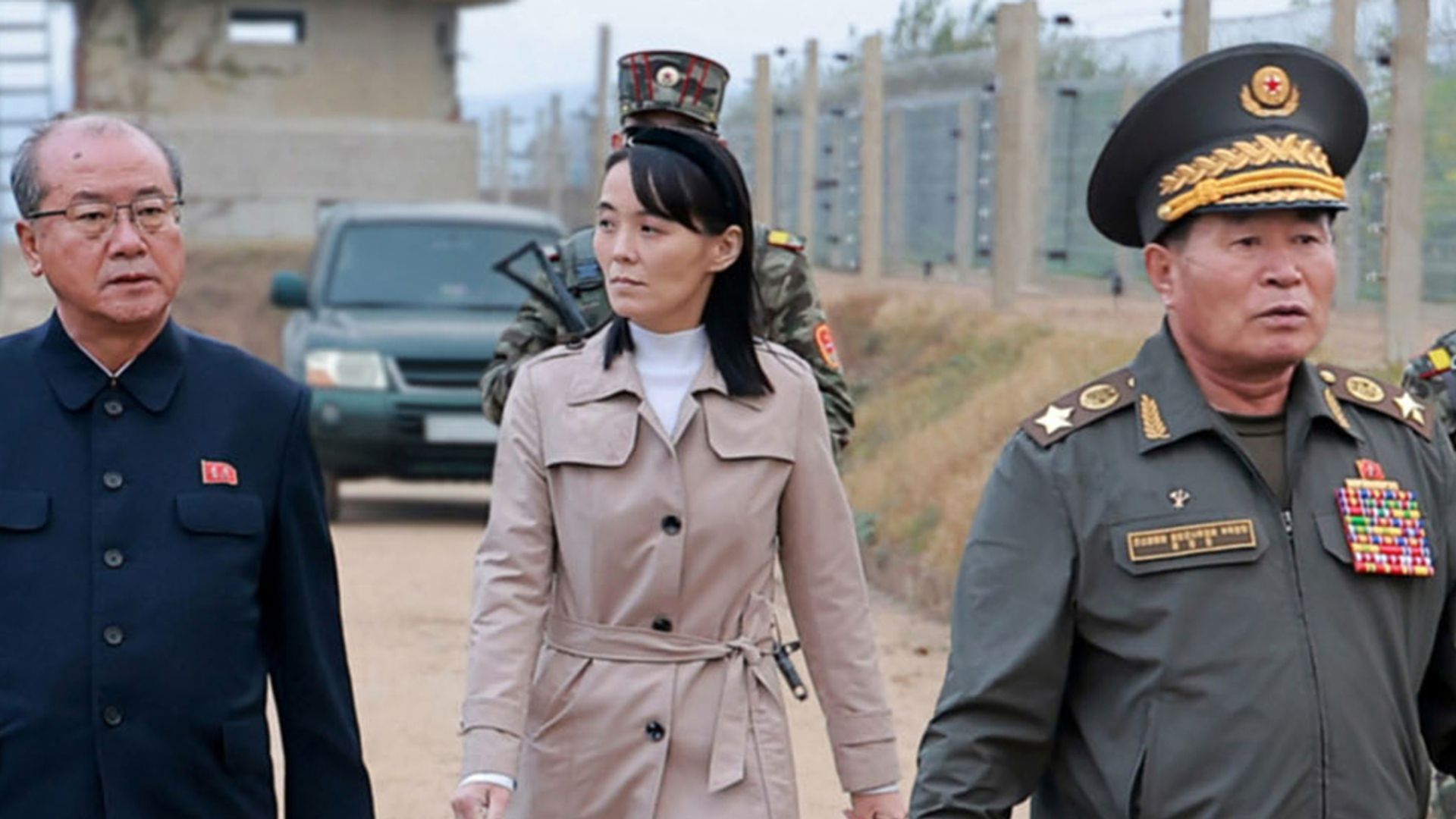
North Korea to Restart Border Propaganda Broadcasts to South Korea
North Korea announced plans to resume loudspeaker propaganda broadcasts aimed at South Korea along their shared border within days.
North Korea has announced its intention to resume propaganda broadcasts targeting South Korea, with plans to recommence these transmissions along the heavily fortified border within the coming days. This move marks a significant escalation in cross-border psychological warfare between the two nations.
The decision to restart the broadcasts comes amid heightened tensions on the Korean Peninsula. For years, both North and South Korea have used loudspeakers to transmit messages, music, and criticism across the Demilitarized Zone (DMZ), though these activities have often been suspended based on inter-Korean agreements or political circumstances.
Details regarding the specific content of the forthcoming broadcasts have not been fully disclosed, but historically, North Korean propaganda has focused on criticizing the South Korean government and its alliances, while also promoting its own ideology and leadership. The resumption is expected to provoke a response from Seoul.
This development raises concerns about further deterioration of inter-Korean relations and could potentially lead to increased military posturing by both sides. South Korea's military is reportedly monitoring the situation closely and is prepared to respond to any provocations.
Historically, propaganda broadcasts have been a recurring feature of inter-Korean tensions. During periods of détente, both sides have agreed to cease such activities, viewing them as counterproductive to peace efforts. Conversely, during times of strain, the loudspeakers have often been reactivated as a tool to exert pressure and signal displeasure.
South Korea has previously used its own loudspeaker systems, often broadcasting K-pop music and news from the outside world into the North, aiming to undermine the Kim regime's control over information. The activation of these systems by either side has often been met with retaliatory measures.
Experts suggest that the resumption of broadcasts is a clear signal from Pyongyang, aimed at demonstrating its dissatisfaction with current inter-Korean dynamics and potentially seeking leverage in future engagements. The effectiveness of such broadcasts in influencing populations on the other side of the border remains a subject of debate among analysts.
It remains to be seen how South Korea will officially respond to this announcement and whether the broadcasts will be sustained. The international community will be watching closely for any signs of further escalation or de-escalation in the ongoing standoff.
This article was written by AI based on publicly available news reporting. Original reporting by the linked source.