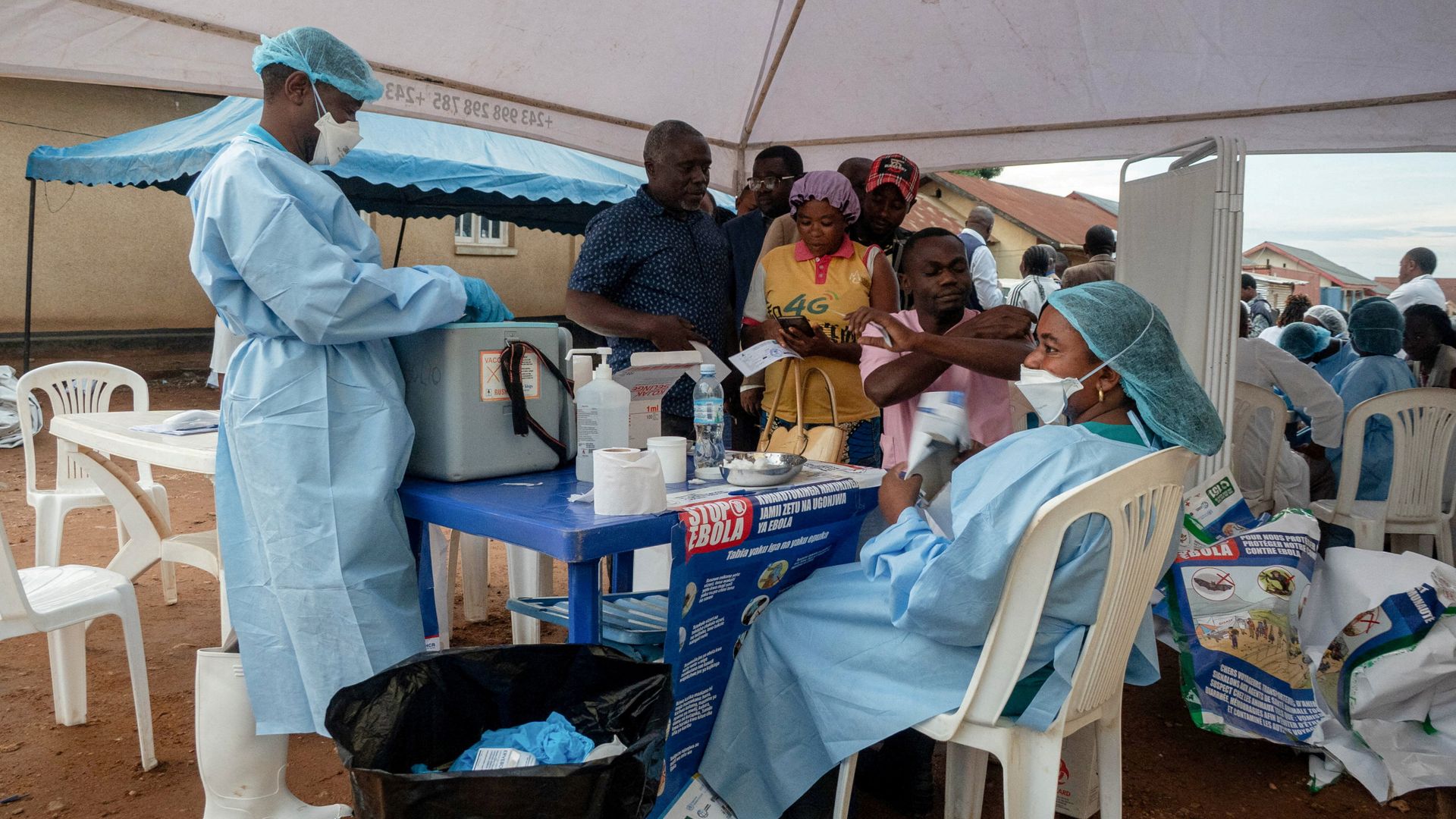
Nurse Treating Ebola Patients Killed by Machete-Wielding Mob
A nurse aiding Ebola victims was brutally murdered by a group of machete-wielding youths, igniting fears for healthcare worker safety.
A nurse dedicated to treating patients during the ongoing Ebola outbreak has been killed by a group of young people wielding machetes, officials confirmed. The incident, which occurred in an area grappling with the deadly virus, has sent shockwaves through the global health community and raised serious concerns about the safety of frontline medical personnel.
The attack highlights the profound challenges and dangers faced by healthcare workers in regions affected by outbreaks, particularly when coupled with fear and misinformation within local communities. The nurse was part of a critical effort to contain the spread of the highly contagious and often fatal disease, a task that requires immense bravery and commitment.
Details surrounding the attack are still emerging, but reports indicate the nurse was confronted and attacked by a mob. The use of machetes in the assault underscores the violent nature of the incident. The motive behind the attack remains under investigation, but it is feared that distrust or misunderstanding of the medical response to Ebola may have played a role.
This tragic event has immediate implications for the Ebola response efforts. It could lead to a chilling effect on the recruitment and retention of healthcare workers, both local and international, who are essential for combating the epidemic. The safety of medical teams is paramount, and such attacks can undermine public trust and hinder vital public health interventions.
Attacks on health workers during disease outbreaks are not unprecedented. Past epidemics, including Ebola and other viral hemorrhagic fevers, have seen instances where medical personnel were targeted due to fear, suspicion, or the spread of rumors. These attacks can be fueled by a lack of understanding about the disease, its transmission, and the protective measures employed by healthcare providers.
Health organizations and government bodies are expected to respond by reinforcing security measures for their staff and intensifying community engagement efforts. The goal will be to build trust, dispel misinformation, and ensure that healthcare workers can carry out their life-saving duties without fear of violence. The specific location of the attack has not yet been fully disclosed, likely to protect ongoing investigations and ensure the safety of remaining personnel.
Experts emphasize that effective communication and education are crucial in such situations. When communities understand the risks of the disease and the importance of the medical response, they are more likely to cooperate and protect those working to save lives. The international community is likely to call for swift justice for the perpetrators and enhanced protections for all health workers.
This incident serves as a stark reminder of the complex social and security dynamics that can complicate public health crises. The loss of a dedicated nurse not only represents a personal tragedy but also a significant setback for the broader efforts to control the Ebola outbreak and protect vulnerable populations.
This article was written by AI based on publicly available news reporting. Original reporting by the linked source.