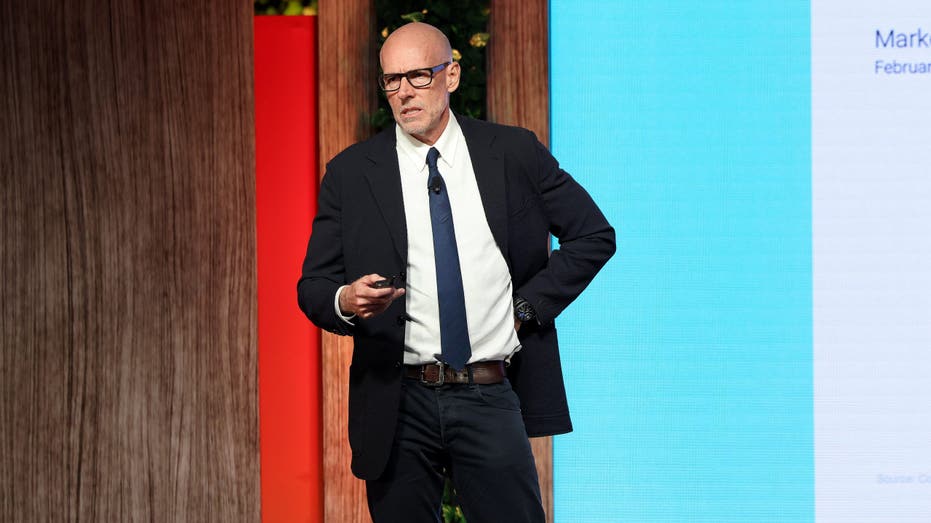
NYU Professor Scott Galloway Calls 2016 Election Stock Sell-Off 'Stupid'
Scott Galloway admitted his decision to sell stocks after the 2016 election cost him 40% of his wealth.
Scott Galloway, a professor at New York University's Stern School of Business, has publicly stated that his decision to sell off stock holdings following Donald Trump's 2016 presidential election victory was a "stupid" move.
Galloway, who is also a prominent entrepreneur and media personality, revealed that this impulsive reaction to the election results led to a significant financial loss, estimating it cost him approximately 40% of his total stock wealth.
The professor made these remarks in a recent interview, reflecting on the immediate aftermath of the 2016 election. He explained that his decision was driven by a pessimistic outlook on the potential economic impact of Trump's presidency, a sentiment shared by many market observers at the time.
This admission highlights the unpredictable nature of financial markets and the difficulty in forecasting their movements based on political events. Galloway's regret underscores the potential pitfalls of making significant investment decisions based on immediate emotional or political reactions rather than long-term strategy.
While the immediate aftermath of the 2016 election saw some market volatility, the broader stock market, particularly tech sectors in which Galloway is known to invest, experienced substantial growth in the years that followed. His admission suggests a missed opportunity for significant gains had he maintained his positions.
Galloway is known for his candid business insights and often shares his perspectives on market trends and entrepreneurial strategies. This particular reflection serves as a cautionary tale for investors about the dangers of market timing and emotional decision-making.
The professor's comments have resonated with many, as numerous individuals likely made similar investment decisions based on their political views or market predictions following the 2016 election. His openness about his financial misstep offers a relatable perspective on the challenges of navigating market uncertainties.
This experience serves as a stark reminder that even seasoned business professionals can be swayed by immediate reactions, and that a disciplined, long-term investment approach often yields better results than short-term, emotionally driven decisions.
This article was written by AI based on publicly available news reporting. Original reporting by the linked source.