Oil Prices Plummet as US Announces Iran Deal, Strait of Hormuz to Reopen
Oil prices hit a three-month low after the US announced a deal with Iran, promising to reopen the Strait of Hormuz.
Oil prices on Monday fell to their lowest level since March, marking a significant decline following the U.S. announcement of a deal with Iran.
West Texas Intermediate futures, the benchmark for U.S. trading, registered at approximately $80.40 per barrel, a 5% drop from the previous trading day. This marks the lowest price point since early March, shortly after the commencement of the Iran war.
President Donald Trump announced the agreement via social media on Sunday, stating it would lead to the "toll free opening of the Strait of Hormuz" and the "immediate removal of the United States Naval blockade." He urged "Ships of the World, start your engines. Let the oil flow!"
Iranian Deputy Foreign Minister Kazem Gharibabadi confirmed the finalization of the deal, with a formal signing scheduled for Friday in Switzerland. Trump indicated the strait would reopen after this signing, linking the resumption of oil flow to mine removal.
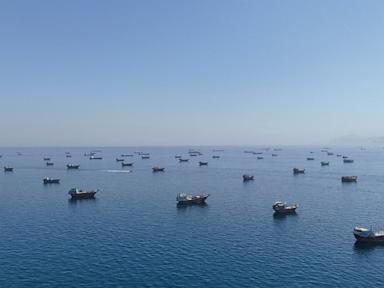
The Strait of Hormuz, a critical maritime trading route through which approximately one-fifth of global oil supply passes, was closed following the conflict. This closure triggered one of the most substantial oil shocks on record, leading to a surge in gasoline prices.
In response to the oil price easing, national average gasoline prices have fallen toward $4 per gallon. Data from AAA shows the current average at $4.06 per gallon, a decrease of 46 cents (10.2%) over the past month. However, prices remain $1.08 higher than before the conflict began.
The stock market also reacted positively to the news, with investors anticipating a resolution to the Iran war. The Dow Jones Industrial Average saw a significant jump of 530 points (1%), the S&P 500 increased by 1.4%, and the Nasdaq climbed 2.3%.
Crude oil serves as the primary component of auto fuel, accounting for over half of the price consumers pay at the pump, according to the U.S. Energy Information Administration. Despite the U.S. being a net exporter of petroleum, global market dynamics mean domestic prices are influenced by worldwide supply and demand fluctuations.
This article was written by AI based on publicly available news reporting. Original reporting by the linked source.